
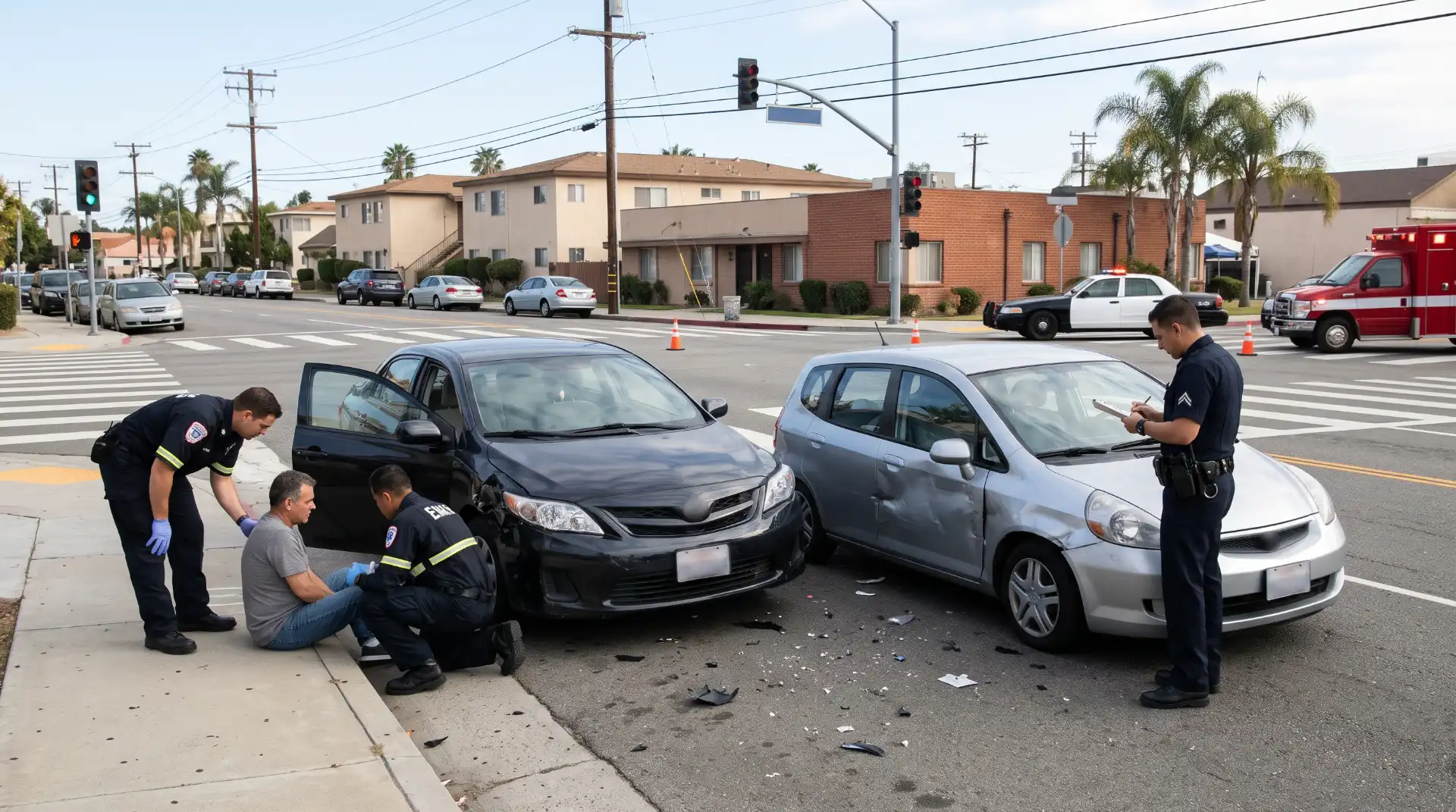
A car accident caused by a driver experiencing a medical emergency can leave injured victims facing serious physical, emotional, and financial challenges. A driver may suddenly lose consciousness, suffer a seizure, experience a heart attack, become disoriented because of a blood sugar problem, or experience another unexpected medical event that prevents them from controlling their vehicle. In a matter of seconds, an ordinary drive can turn into a collision involving other motorists, passengers, cyclists, or pedestrians.
When these accidents happen, injured people often have an important question: Can you sue the driver if a medical emergency caused the crash?
In California, the answer depends on the circumstances. A medical emergency does not automatically make a driver legally responsible for a collision, but it does not automatically excuse the driver from liability either. Investigators and courts may need to determine whether the medical event was genuinely sudden and unforeseeable, whether the driver knew about a condition that could impair driving, whether the driver ignored medical advice, and whether the driver acted reasonably before and during the emergency.
The distinction matters because California negligence law generally evaluates a person’s conduct under the circumstances. A driver who unexpectedly loses consciousness despite having no reasonable warning may have a different legal position from someone who knowingly drives despite recurring episodes of fainting or a medical condition that is not adequately controlled.
Insurance coverage, comparative negligence, medical evidence, and the availability of other responsible parties can also affect an injured person’s options.
This guide explains when you may be able to sue after a car accident caused by a medical emergency in California, what evidence can help establish liability, how the sudden emergency doctrine works, and what steps injured victims should take to protect their legal rights.
Can You Sue a Driver Who Causes a Crash During a Medical Emergency?
Yes, you may be able to sue a driver who experiences a medical emergency and causes a collision, but the existence of the emergency is only one part of the legal analysis.
Most California personal injury claims involving car accidents are based on negligence. Generally, an injured person must establish that the defendant owed a duty of reasonable care, breached that duty, and caused injuries that resulted in legally recognized damages.
When a driver suddenly becomes medically incapacitated, the central question is often whether the driver acted unreasonably before the emergency or whether the driver could reasonably have prevented the collision.
For example, imagine a driver who has never experienced a seizure, receives no warning symptoms, and suddenly loses consciousness while traveling through a San Francisco intersection. The vehicle crosses into another lane and strikes a second car. If the medical event was genuinely unexpected and the driver had no reasonable opportunity to respond, proving negligence may be difficult.
Now consider a different situation. A driver has experienced several episodes of fainting while driving, has been warned by a healthcare professional not to operate a vehicle until receiving further evaluation, and nevertheless continues driving. The driver then loses consciousness and causes a collision.
The second scenario presents different questions. Evidence that the driver knew about a recurring risk and ignored appropriate warnings may support an argument that the driver acted negligently by choosing to drive.
These examples illustrate why the investigation must look beyond the moment of impact. A medical emergency may explain why a vehicle suddenly changed direction, but the legal analysis may depend on what the driver knew beforehand and whether reasonable precautions were available.
An injured person should not assume that a claim is impossible simply because the other driver became ill. Likewise, the fact that a collision occurred does not automatically establish that the medically affected driver was negligent.
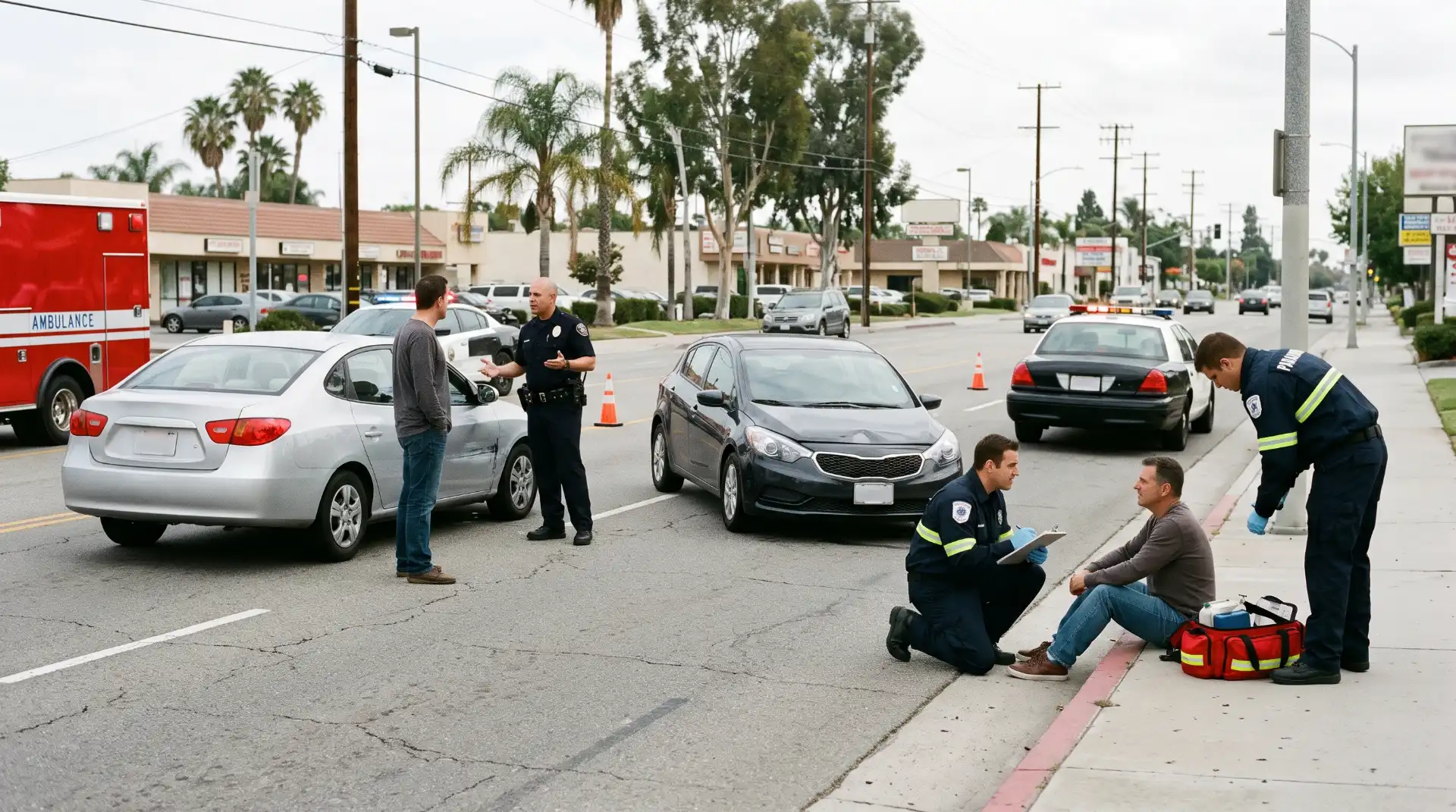
Understanding the Sudden Emergency Doctrine in California
One important legal concept in these cases is the sudden emergency doctrine, sometimes called the imminent peril doctrine.
California’s civil jury instructions explain that a person claiming the benefit of this doctrine generally must establish that an unexpected emergency placed someone in actual or apparent danger of immediate injury, that the person did not cause the emergency, and that the person acted as a reasonably careful person would have acted under similar circumstances.
The relevant instruction is California Civil Jury Instruction 452, or CACI No. 452, available through the Judicial Council of California’s official civil jury instructions.
The doctrine recognizes that a person confronted with a sudden, unexpected danger cannot always make the same deliberate decisions that would be possible under ordinary conditions. However, it is not an automatic defense whenever a driver says that an emergency occurred.
When the Doctrine May Apply
Suppose a driver suddenly experiences an unexpected cardiac event and becomes unable to control the vehicle. The driver had no prior symptoms, no relevant medical history that suggested an imminent episode, and no reason to anticipate the loss of control.
If the driver had no reasonable opportunity to prevent the collision, the sudden emergency doctrine may become relevant when evaluating negligence.
The same general concept can apply to other unexpected medical events, including a sudden seizure or an abrupt loss of consciousness. The precise analysis depends on the evidence concerning the medical event, its predictability, and the driver’s conduct.
The doctrine does not require that every emergency response be perfect. A person facing immediate danger may act reasonably even if, viewed afterward, another response might have produced a better result.
When the Doctrine May Not Protect a Driver
The sudden emergency doctrine generally does not excuse a person whose own negligence created or contributed to the emergency situation.
For example, a driver who ignores repeated warning symptoms, knowingly operates a vehicle despite an unmanaged condition, or disregards a clear medical restriction may have difficulty establishing that the resulting danger was entirely unexpected.
A court may also examine whether the driver had an opportunity to respond safely after recognizing the symptoms. If the driver experienced warning signs but continued accelerating instead of pulling over when it was reasonably safe, that conduct could be relevant.
Importantly, a diagnosis alone does not prove that a driver was negligent. Some medical conditions are well controlled, and some serious events occur without warning. The investigation must consider the actual circumstances rather than treating everyone with a particular diagnosis as unfit to drive.
What Counts as a Medical Emergency Behind the Wheel?
Medical emergencies can affect driving in different ways. Some cause immediate unconsciousness, while others produce confusion, weakness, impaired vision, loss of coordination, or an inability to respond to changing traffic conditions.
Understanding the type of event can help investigators reconstruct what happened and determine whether the driver could reasonably have anticipated the danger.
Heart Attacks and Other Cardiac Events
A heart attack or another serious cardiac event may cause chest discomfort, shortness of breath, dizziness, weakness, or loss of consciousness. Some events develop with warning symptoms, while others can occur unexpectedly.
If a driver suddenly experiences a severe cardiac event and immediately loses control of the vehicle, the evidence may support the argument that the collision was not reasonably preventable.
However, a driver who experiences significant warning symptoms before entering the vehicle or while driving may face different questions. Investigators may examine whether the symptoms were recognizable, whether the driver had time to stop safely, and whether continuing to drive created an unreasonable risk.
Medical records and expert testimony may help explain the onset of symptoms and the likely effect on the driver’s ability to operate the vehicle.
Seizures and Loss of Consciousness
A seizure may affect awareness, movement, vision, and the ability to control a vehicle. Some seizures occur without a clear warning, while others may be preceded by symptoms or occur in people with a known seizure disorder.
California’s Department of Motor Vehicles provides information about lapse-of-consciousness disorders and driving.
The DMV explains that these conditions can interfere with a person’s ability to operate a vehicle safely and may prompt a driving-safety evaluation. Depending on the circumstances, the agency may take no action, impose medical probation, suspend a license, or revoke driving privileges.
For a civil injury claim, the important questions include whether the driver knew about the condition, whether previous episodes had occurred, whether the condition was appropriately managed, and whether the driver had reason to believe another episode might impair driving.
A seizure diagnosis by itself does not prove negligence. The relevant issue is whether the driver acted reasonably in light of the information available before the collision.
Diabetic Emergencies and Blood Sugar Problems
Significant changes in blood sugar can affect concentration, coordination, awareness, and judgment. A severe episode may leave a driver unable to respond appropriately to traffic.
The legal analysis may depend on whether the driver recognized symptoms, followed appropriate medical guidance, and took reasonable steps to avoid driving while impaired.
For instance, a driver who feels confused, shaky, or unusually weak may have reason to stop driving and seek assistance. Continuing to operate a vehicle despite substantial impairment could support a negligence argument if the conduct contributes to a collision.
By contrast, an unexpected medical episode that occurs without recognizable warning signs may be evaluated differently.
Strokes and Other Neurological Events
A stroke or another acute neurological event may cause sudden weakness, visual disturbances, confusion, difficulty speaking, or loss of coordination. These symptoms can interfere with steering, braking, lane positioning, and the ability to recognize hazards.
The timing of the event is especially important. If symptoms began suddenly while the driver was moving through traffic, the driver may have had little opportunity to react. If warning signs were present before the trip or continued for some time before the collision, the investigation may need to determine whether the driver should reasonably have stopped.
Medical experts can sometimes help establish when the event likely began and whether the symptoms would ordinarily have affected driving ability.
Fainting, Dizziness, and Sudden Loss of Consciousness
Fainting may result from several causes, including a temporary drop in blood pressure, dehydration, cardiac problems, medication effects, or other medical conditions.
A single unexpected episode does not necessarily mean a driver should have known that a future event would occur. Repeated episodes, however, may provide information relevant to foreseeability.
Investigators should examine prior symptoms, previous incidents, medical advice, and any restrictions applicable to the driver.
Medication-Related Emergencies
Medication may cause dizziness, drowsiness, blurred vision, confusion, or reduced alertness. Some reactions occur unexpectedly, while others are identified risks described in medication instructions or discussed with a healthcare professional.
A driver who knowingly operates a vehicle while experiencing substantial medication-related impairment may face a negligence claim if that conduct contributes to a collision.
The situation can become more complicated if a medication was properly prescribed and taken as directed but produced an unusual reaction. The investigation may need to distinguish between a genuinely unforeseeable adverse reaction and a foreseeable impairment that the driver should have taken into account.
In certain circumstances, questions may also arise concerning prescribing, dispensing, or other conduct by third parties. Such claims require separate evidence and should not be assumed merely because medication was involved.
Did the Driver Know About the Medical Condition?
One of the most important questions in a California medical emergency car accident claim is whether the driver knew, or reasonably should have known, about a condition that could affect safe driving.
A medical diagnosis is not the same as proof of negligence. Many people with medical conditions drive safely when their conditions are appropriately controlled and when they comply with applicable restrictions.
However, knowledge of a substantial risk may change the legal analysis.
Previous Episodes May Be Important
Suppose a driver has fainted several times in the preceding months. After the most recent episode, the driver is advised to obtain medical evaluation before driving again. The driver ignores the recommendation and later loses consciousness behind the wheel.
The earlier episodes and medical advice may help establish that the later event was not entirely unforeseeable.
Investigators may examine whether the driver understood the risk, whether the episodes occurred under similar circumstances, and whether the driver had a reasonable alternative to driving.
Medical Advice and Driving Restrictions
Medical records may reveal that a healthcare professional recommended avoiding driving temporarily, changing medication, obtaining additional testing, or following other precautions.
A driver’s decision to disregard clear advice may be relevant evidence, particularly if the warning concerned a risk similar to the event that caused the crash.
Nevertheless, the significance of medical advice depends on its content and context. A general recommendation to schedule a routine appointment is not necessarily equivalent to a clear warning that driving should stop immediately.
The full record should be reviewed rather than relying on isolated statements.
What If the Driver Did Not Know About the Condition?
A person may have an undiagnosed medical condition that causes a sudden and unexpected emergency. If the driver had no reasonable reason to anticipate the event, the injured person’s ability to establish negligence may be more limited.
The absence of a previous diagnosis is not always conclusive. Other evidence, such as repeated unexplained symptoms or earlier episodes of impaired awareness, may show that the driver had reason to investigate the problem.
Ultimately, the legal question concerns reasonable conduct under the circumstances, not simply whether the driver had a formal diagnosis before the collision.
Can You Sue If the Driver Lost Consciousness Without Warning?
You may still investigate a possible claim, but a truly unforeseeable loss of consciousness can make it more difficult to establish that the driver acted negligently.
Imagine a driver traveling at a reasonable speed on a California highway. Without warning, the driver suffers an acute medical event and becomes unconscious. The vehicle crosses into another lane and strikes another car.
If the driver had no relevant prior symptoms, no reason to anticipate the episode, and no opportunity to respond, the facts may support a defense that the driver was not negligent.
However, the word “unforeseeable” should not be accepted without examining the available evidence.
Investigators may need to establish when the medical event began, whether the driver displayed warning signs, whether the driver had a relevant history, and whether any earlier conduct contributed to the collision.
Other potential sources of recovery may also need to be considered. Depending on the circumstances, insurance coverage, uninsured or underinsured motorist benefits, or the negligence of another party may be relevant even if a claim against the medically affected driver is disputed.
A lack of negligence by one driver does not automatically answer every insurance or liability question arising from the accident.
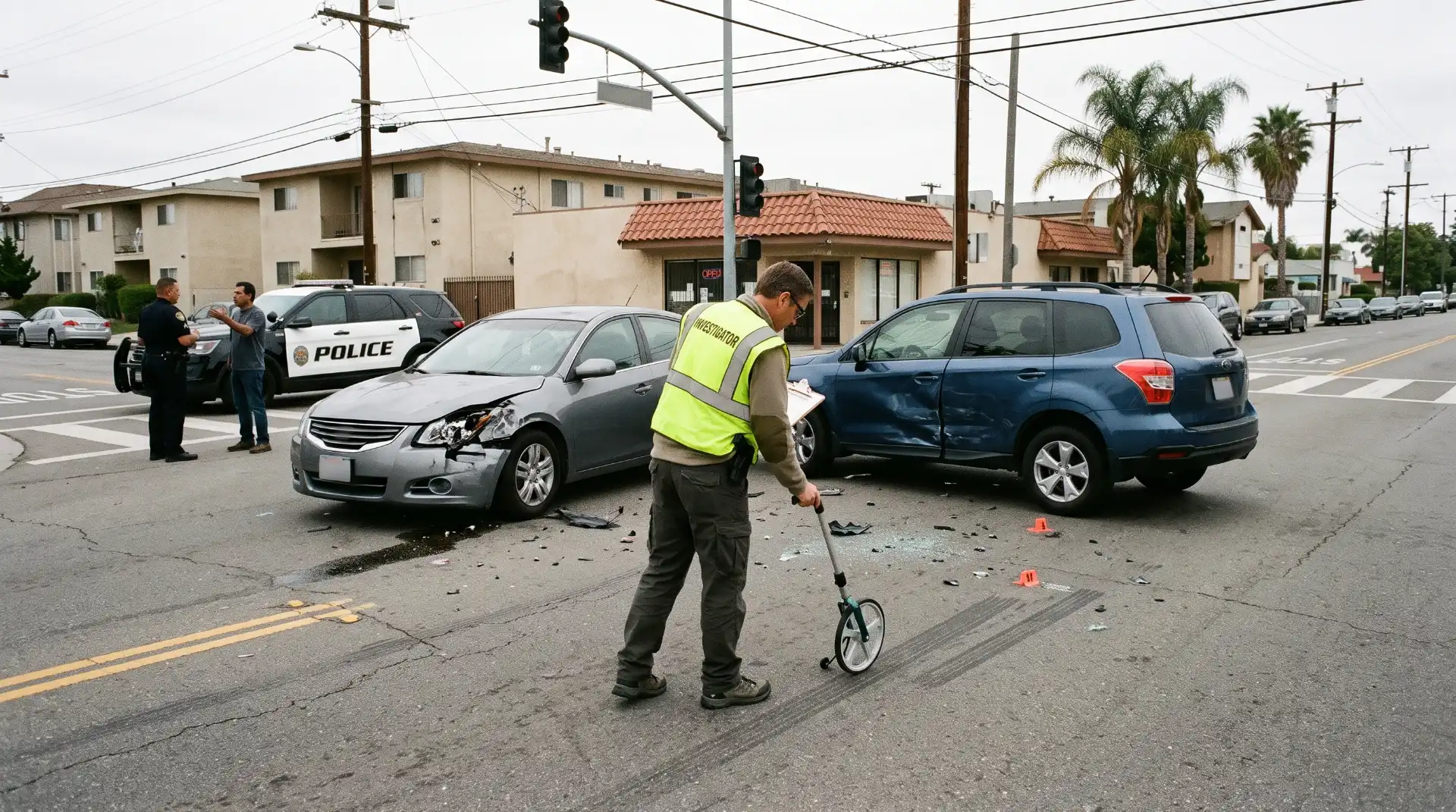
Can You Sue a Driver Who Ignored Medical Advice?
Potentially, yes. Evidence that a driver knowingly ignored medical advice about driving safety may strengthen an argument that the driver acted negligently.
For example, a physician may advise a patient not to drive until recurring episodes of unconsciousness have been evaluated. If the patient disregards that advice, drives anyway, and experiences another episode that causes a crash, the earlier warning may be significant.
The same may be true when a driver repeatedly experiences serious symptoms while driving and fails to take reasonable steps to prevent another incident.
However, the legal analysis is not automatic. The evidence must establish the relevant duty, breach, causation, and damages. It may also be necessary to determine whether the medical advice was clear, whether the driver understood it, and whether the condition actually caused the collision.
An insurer may argue that the event was unavoidable or that the driver could not have anticipated the severity of the episode. Medical records, witness testimony, and expert analysis may help resolve those competing arguments.
Can a Driver Be Liable if the DMV Was Never Notified?
California has procedures addressing medical conditions that may affect a person’s ability to drive safely. These procedures are separate from the civil negligence analysis in a personal injury lawsuit.
California Health and Safety Code Section 103900 addresses reporting certain disorders characterized by lapses of consciousness. Related regulations establish reporting requirements and exceptions. The DMV then evaluates information about a driver’s medical condition and determines what action, if any, is appropriate.
The details are important because not every medical diagnosis automatically results in a driving suspension, and the reporting requirements have defined scope and exceptions.
If a driver experiences a collision involving a lapse of consciousness, investigators may examine whether the condition was previously known, whether relevant reports or evaluations existed, and whether the driver had any restrictions on driving.
However, the fact that the DMV was never notified does not by itself establish that the driver was negligent. Likewise, a valid license does not automatically prove that a particular trip was safe under the circumstances.
The civil claim focuses on the driver’s conduct and the applicable legal requirements. DMV licensing decisions and personal injury liability are related issues, but they are not interchangeable.
Who May Be Responsible Besides the Driver?
Although the driver is often the primary person investigated after a medical emergency collision, other parties may potentially share responsibility in certain circumstances.
An Employer
If the driver was working when the collision occurred, the employer’s potential responsibility may need to be evaluated under California law.
For example, an employer may have assigned a worker to a driving task despite knowing about a serious, relevant safety concern. Depending on the facts, questions may arise about negligent hiring, supervision, or other employer conduct.
An employer is not automatically liable because an employee becomes ill while driving. The analysis may depend on the driver’s work status, the scope of employment, the employer’s knowledge, and the legal basis asserted.
A Vehicle Manufacturer or Maintenance Provider
In some cases, an accident may involve both a medical event and a vehicle defect. A steering failure, braking problem, or other mechanical malfunction could contribute to the collision.
If evidence supports a separate claim involving a defective vehicle or negligent maintenance, that issue can be investigated independently of the driver’s medical condition.
For background on this subject, see the website’s article on Black Box Data After a Car Accident: How Vehicle Event Recorders Can Help Prove Fault in California.
Vehicle event data may help establish speed, braking, acceleration, or other details leading up to a crash, depending on the vehicle and available records. It will not necessarily identify the medical cause of the driver’s loss of control, but it may provide useful information for reconstructing the collision.
A Healthcare Provider
A healthcare provider is not automatically liable when a patient experiences a medical emergency while driving. A separate professional negligence claim would require evidence supporting the applicable legal elements, including a breach of the relevant standard of care and a causal connection to the injury.
Questions might arise if a provider negligently failed to identify a serious condition or gave inappropriate advice about driving. Such claims can be difficult and may involve different legal standards and deadlines from ordinary auto accident claims.
A diagnosis followed by a crash does not, by itself, establish medical malpractice.
What Evidence Can Help Prove Liability?
Medical emergency car accident claims often require a combination of accident evidence, medical documentation, witness statements, and technical analysis.
The evidence must help answer two separate questions: What caused the driver to lose control, and was the driver or another party legally responsible for the resulting collision?
Police Reports and Witness Statements
A police report may document the location, time, vehicle positions, visible injuries, statements, and observations made at the scene. Depending on the circumstances, it may also identify witnesses or note that emergency medical personnel treated a driver for a suspected medical event.
Witnesses may have observed the driver’s behavior before the collision. For example, a witness might describe a vehicle drifting between lanes, stopping unexpectedly, or accelerating without an apparent response to surrounding traffic.
These observations can help reconstruct the event, although they do not necessarily establish the medical cause or prove negligence on their own.
Medical Records
Medical records may be important for understanding the condition that caused the emergency and whether the driver had prior warning signs.
Relevant evidence may include emergency medical service reports, hospital records, prior evaluations, documented symptoms, medication history, and instructions concerning driving.
Access to another person’s medical information is subject to applicable privacy and legal rules. Investigators must obtain and use records through appropriate procedures.
Medical evidence should be interpreted carefully. A diagnosis discovered after a collision does not necessarily prove that the driver knew about the condition beforehand.
Vehicle Data and Video Footage
Dashcam recordings, traffic-camera footage, nearby business surveillance, and vehicle event data may help establish what happened immediately before the impact.
For example, video may show whether a vehicle began drifting gradually before the collision or suddenly crossed into another lane. Event data may help establish the vehicle’s speed and braking behavior, if the vehicle recorded that information.
These records can be particularly valuable when the driver cannot remember the incident because of the medical event.
If you are involved in a collision, the site’s guide to What to Do After a Car Accident in San Francisco: A Step-by-Step Guide provides additional information about documenting the scene, obtaining witness details, and preserving relevant information.
Expert Analysis
Depending on the case, medical experts may help explain whether the event was consistent with a sudden loss of consciousness, whether symptoms ordinarily develop before the condition becomes incapacitating, and whether the medical evidence supports a particular timeline.
Accident reconstruction specialists may analyze vehicle positions, roadway evidence, photographs, video, and event data to establish how the collision occurred.
The purpose is not simply to identify a diagnosis. The evidence must also help explain whether the event could reasonably have been anticipated and whether the driver’s conduct contributed to the crash.
What Should You Do After a Medical Emergency Car Accident?
If you have been injured in a collision involving a driver who may have experienced a medical emergency, prioritize safety and medical care before focusing on the legal claim.
Seek Medical Attention
Call 911 when emergency assistance is needed. Even if your injuries initially seem minor, obtain an appropriate medical evaluation and follow the recommended treatment plan.
Some injuries may not become obvious immediately after a collision. Keeping medical records can also help establish the nature of your injuries and the treatment required.
The website’s article on The Importance of Medical Treatment After a Car Accident: Even If You Feel Fine provides additional information about prompt evaluation and documenting accident-related injuries.
Document the Scene
If it is safe, photograph the vehicles, their positions, visible damage, skid marks, traffic controls, and surrounding roadway. Obtain the names and contact information of witnesses when possible.
Do not attempt to investigate the other driver’s medical condition yourself or interfere with emergency personnel. The medical cause may not be known immediately.
Preserve Relevant Information
Keep copies of the police report information, photographs, medical records, insurance correspondence, repair estimates, and receipts for accident-related expenses.
If you have dashcam footage, preserve the original recording and create a backup. Avoid editing or deleting potentially relevant files.
If you learn that video footage or other electronic records may exist, consider seeking prompt advice about preserving them before they are overwritten or deleted.
Be Careful With Insurance Statements
Notify your insurer as required by your policy and provide accurate information about the collision. Avoid speculating about the other driver’s medical condition or making assumptions about fault before the facts are established.
You can describe what you personally observed, such as the vehicle crossing into your lane or the driver appearing unresponsive, without presenting an unconfirmed medical explanation as fact.
Before signing a release or accepting a settlement, make sure you understand what claims the agreement covers and whether your injuries and future treatment needs have been adequately evaluated.
Consider Legal Advice
A lawyer may help assess whether the facts support a negligence claim, identify potentially responsible parties, preserve evidence, and communicate with insurers.
For additional background on the claims process, see How to File a Personal Injury Claim After a San Francisco Car Accident.
Legal guidance may be especially useful when the driver claims that the emergency was unavoidable, when medical records are central to the dispute, or when serious injuries make the potential damages substantial.
What Compensation May Be Available?
If you establish a valid claim, you may be able to pursue compensation for losses caused by the collision. The types and amount of damages depend on the injuries, available evidence, applicable law, and circumstances of the case.
Medical Expenses
Recoverable medical expenses may include reasonable costs associated with emergency care, hospitalization, diagnostic testing, medication, rehabilitation, and other necessary treatment.
Future medical expenses may also be relevant if the evidence establishes that additional treatment is reasonably required because of the collision.
Lost Wages and Earning Capacity
If your injuries prevent you from working, you may be able to seek compensation for lost income. Serious injuries may also affect your ability to perform your previous job or earn income in the future.
Employment records, wage statements, tax documents, and appropriate expert evidence may help establish these losses.
Pain, Suffering, and Other Non-Economic Harm
Depending on the applicable law and evidence, compensation may include physical pain, emotional distress, and the impact of injuries on ordinary daily activities.
There is no guaranteed settlement amount for a medical emergency car accident. The outcome depends on the legal basis for liability, the severity of the injuries, available insurance, and other case-specific factors.
Property Damage
A claim may also include vehicle repair costs or the value of a vehicle that cannot reasonably be repaired. Towing charges and other eligible expenses may be relevant depending on the circumstances and applicable law.
How California’s Comparative Negligence Rules May Affect Your Case
California generally follows a pure comparative negligence system. An injured person may be able to recover damages even if that person was partly responsible for the collision, although the recovery is reduced according to the person’s share of fault.
For example, if an injured motorist is found to be 20% responsible for a collision and the total legally recoverable damages are $100,000, the damages would generally be reduced by that 20% share, leaving $80,000 before other applicable adjustments.
In a medical emergency case, comparative negligence may become relevant if the injured driver was speeding, following too closely, or otherwise contributed to the crash.
It may also be relevant when multiple defendants are involved. The court or jury may need to evaluate the conduct of the medically affected driver and any other party whose negligence contributed to the injuries.
The existence of a medical emergency does not eliminate the need to examine everyone else’s conduct. Each party’s potential responsibility must be evaluated under the applicable legal standards.
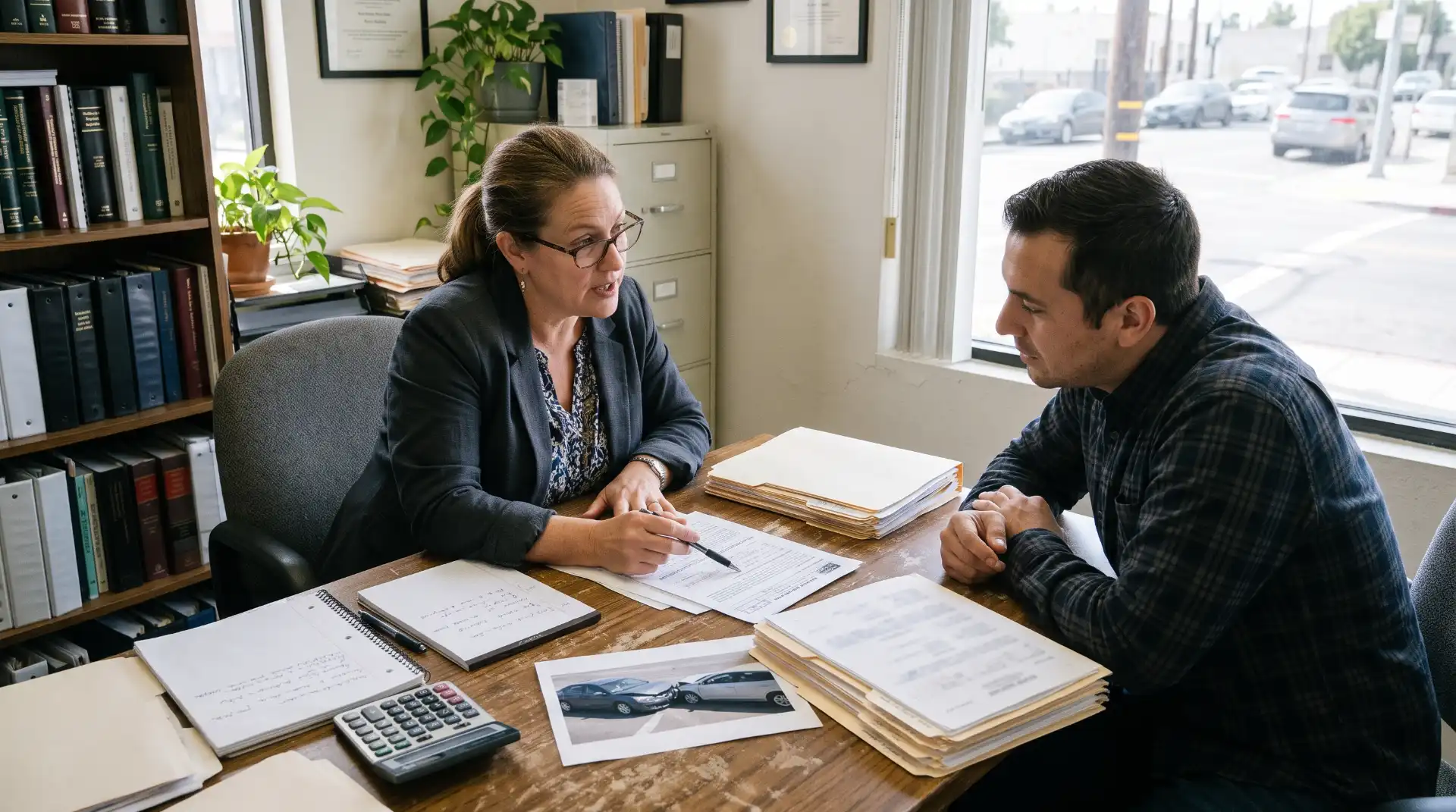
How Long Do You Have to File a California Car Accident Lawsuit?
California generally provides a two-year deadline for filing a personal injury lawsuit, subject to exceptions and special rules. The deadline is commonly associated with California Code of Civil Procedure Section 335.1.
However, the ordinary two-year period should not be assumed to apply to every potential defendant or every type of claim. Claims involving government entities, minors, delayed discovery, or other special circumstances may require a different analysis.
For example, a claim against a public entity may require an administrative claim to be presented within a much shorter period, often six months for personal injury claims, subject to applicable statutory requirements and exceptions.
The date a claim accrues and the rules governing the particular defendant can also affect the calculation. Missing an applicable deadline may prevent an injured person from pursuing compensation.
If you have been injured, seek legal advice promptly rather than waiting until the deadline approaches.
Frequently Asked Questions
Is a driver automatically responsible if a medical emergency causes a crash?
No. A driver is not automatically negligent simply because a medical emergency caused a collision. The investigation must consider whether the event was reasonably foreseeable, whether the driver knew about relevant risks, and whether reasonable precautions could have prevented the crash.
Can I sue if the other driver had no previous medical diagnosis?
Potentially, but the absence of a previous diagnosis may make it more difficult to establish that the driver should have anticipated the emergency. Evidence of earlier symptoms or warning signs may still be relevant.
What if the driver knew about a seizure disorder?
Knowledge of a seizure disorder does not automatically establish negligence. The relevant questions include whether the condition was controlled, whether the driver followed appropriate medical guidance, whether restrictions applied, and whether the driver reasonably anticipated a risk of losing control.
Can the driver’s insurance pay for my injuries?
Potentially. If the claim is covered and liability is established or otherwise resolved, the driver’s auto insurance may provide compensation up to the applicable policy limits. Coverage and liability are separate questions, and policy terms matter.
If recovery from the other driver is unavailable or insufficient, your own uninsured or underinsured motorist coverage may be worth reviewing, depending on the circumstances and policy requirements.
What if the driver cannot remember the accident?
A lack of memory does not automatically prevent a claim. Investigators may use witness statements, video footage, vehicle data, medical records, and accident reconstruction to determine what happened.
Can I sue a doctor who failed to warn a driver about a medical condition?
Possibly, but a separate professional negligence claim requires evidence that the provider breached an applicable duty and that the breach caused legally recognized harm. A medical diagnosis or an accident following treatment does not, by itself, establish malpractice.
Does a valid California driver’s license prove the driver was safe to drive?
No. A valid license is relevant but does not necessarily establish that driving was reasonable under every circumstance. A driver’s condition, knowledge, symptoms, and conduct at the time of the collision may still matter.
Conclusion: Your Legal Options After a Medical Emergency Car Accident
A car accident caused by a driver experiencing a medical emergency can raise difficult questions about negligence, foreseeability, and responsibility. California law recognizes that some emergencies occur without warning, but it also allows scrutiny of conduct that creates an unreasonable risk to others.
If a driver unexpectedly loses consciousness without any reasonable warning, establishing negligence may be difficult. If the driver knew about a serious risk, ignored relevant medical advice, or continued driving despite recognizable symptoms, the circumstances may support a different conclusion.
The key is to examine the evidence rather than assuming that a medical emergency automatically excuses the driver or automatically establishes liability.
Police reports, witness statements, medical records, vehicle data, and expert analysis may help clarify what happened. Prompt medical care, careful evidence preservation, and attention to applicable filing deadlines can help protect your options.
If you were injured in a California car accident involving a possible medical emergency, consider consulting a qualified California personal injury attorney to evaluate the facts, available insurance coverage, and potential legal claims.
Disclaimer: This article is for general informational purposes only and is not legal advice. It does not create an attorney-client relationship. California laws, deadlines, and liability rules may depend on the facts of an individual case. Consult a qualified California attorney for advice about your circumstances.