
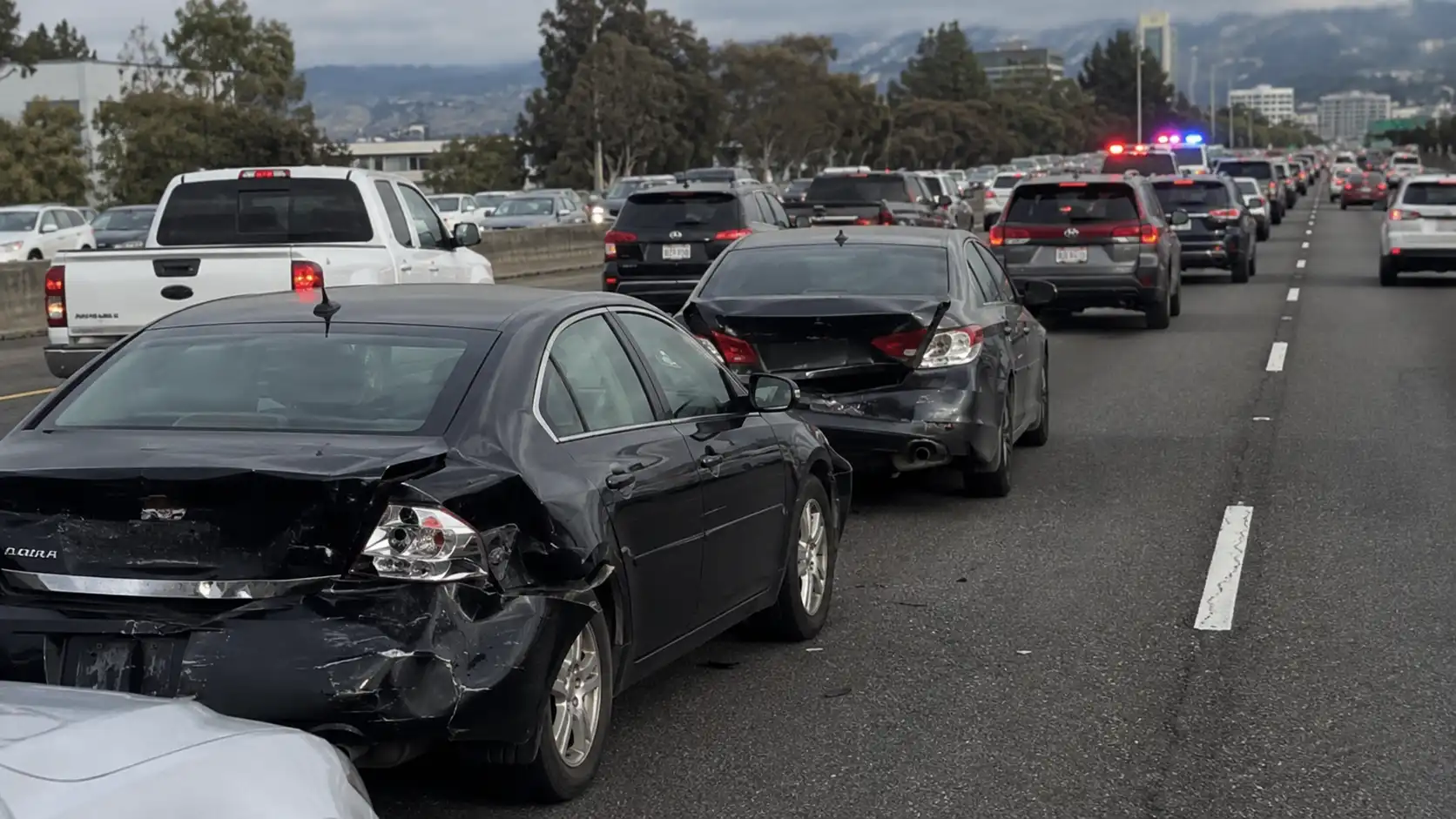
Rear-end collisions have long been one of the most common types of motor vehicle crashes in California, but many drivers in the Bay Area feel like they are seeing them more often than ever. That impression is not coming out of nowhere. Anyone who drives through San Francisco, Oakland, San Jose, Walnut Creek, Fremont, or along the major corridors connecting them has likely noticed how stressful and unpredictable local traffic can be. Cars move in waves, brake suddenly, change lanes quickly, and stack up without much warning. In that kind of environment, even one small lapse in attention can lead to a rear-end crash.
For many drivers, a rear-end collision sounds like a minor accident. In reality, these crashes can lead to serious injuries, significant property damage, lost work time, and complicated insurance disputes. Some victims walk away thinking they are fine, only to develop neck pain, back pain, headaches, or symptoms of a concussion in the hours or days that follow. When you combine that risk with the Bay Area’s congestion, road design, technology-heavy driving habits, and fast-changing travel patterns, it becomes easier to understand why rear-end accidents are increasing.
This article explains the reasons rear-end collisions are becoming more common in Bay Area traffic, why these crashes can be more serious than many people expect, and what drivers can do to protect themselves on the road and after an accident. If you want to learn more about national traffic safety issues, the National Highway Traffic Safety Administration offers useful safety guidance for drivers across the United States.
The Bay Area Creates Perfect Conditions for Rear-End Crashes
The Bay Area is one of the most challenging places to drive in the United States. It combines dense urban streets, freeway bottlenecks, bridge traffic, tourists, public transit interactions, delivery vehicles, cyclists, and pedestrians in a relatively compact region. Drivers may go from moving at freeway speed to sitting completely still within seconds. That sudden shift is one of the main reasons rear-end crashes happen so often.
On a typical weekday, traffic may build early and remain heavy well past traditional rush hour. Drivers heading into San Francisco from the East Bay, traveling south toward Silicon Valley, or commuting between suburban and urban areas often face long stretches of stop-and-go conditions. In those situations, safe following distance becomes essential, but many motorists do not leave enough space. Some are in a hurry. Others assume traffic will keep moving. Many simply underestimate how quickly the car ahead may stop.
The design of local roads also matters. The Bay Area has steep hills, sharp merges, short on-ramps, crowded downtown corridors, and areas where visibility is limited by curves, buses, buildings, or parked cars. Even a driver who is generally careful can be caught off guard if traffic stacks up beyond a blind rise or if another vehicle brakes suddenly to avoid a pedestrian, cyclist, or turning car. In a region where traffic patterns can change block by block, rear-end collision risk remains high all day.
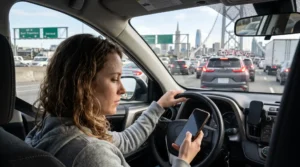
Distracted Driving Is a Major Reason These Crashes Are Increasing
One of the clearest reasons rear-end collisions are increasing is distracted driving. Although drivers know they should stay focused, modern driving often includes constant temptation. Smartphones, navigation apps, music controls, voice messages, rideshare alerts, and in-vehicle screens all compete for attention. A driver may only glance down for a second or two, but that is enough time for the vehicle ahead to stop.
Rear-end collisions are especially tied to distraction because they often happen when a driver is looking away during traffic slowdowns. If the road is moving smoothly and then tightens suddenly, a distracted driver may not notice the change until it is too late. In the Bay Area, that problem is magnified by congestion. Drivers may become mentally fatigued from long commutes and assume that traffic will continue at the same pace. Once they start checking directions, reading a text, or interacting with a dashboard screen, reaction time drops.
Technology has made many aspects of driving more convenient, but it has also introduced new forms of distraction. Some drivers rely heavily on navigation prompts in unfamiliar neighborhoods. Others use delivery apps or rideshare platforms that send updates while they are still moving. Even hands-free systems can pull a driver’s mind away from the roadway if they are trying to respond, make choices, or manage multiple tasks at once. The result is often a delayed brake response and a preventable impact.
Stop-and-Go Traffic Trains Drivers to Take Risky Shortcuts
Another reason rear-end crashes are becoming more common is behavioral. In heavy traffic, many people stop driving defensively and start driving impatiently. They follow too closely, jump between lanes, and accelerate hard to gain only a few car lengths. Over time, this kind of driving becomes normalized in crowded corridors, especially during commutes.
Tailgating is one of the biggest contributors to rear-end collisions. A driver who leaves only a small gap has almost no room to react if the car ahead brakes. Some motorists assume they are paying enough attention to stop in time, but even a slight delay can make that impossible. Wet pavement, worn brakes, downhill grades, or heavier vehicles make the problem worse. In Bay Area traffic, where movement can be jerky and unpredictable, following too closely is a recipe for impact.
Traffic fatigue also changes how people behave. After sitting in congestion for a long time, drivers may become frustrated and less careful. They may stop scanning the road ahead and focus only on the bumper in front of them. Some begin creeping forward while checking another lane. Others roll through congestion while thinking about work, home, or the next exit. These small lapses add up, and rear-end crashes are often the result.
The Growth of Delivery Services and Rideshare Traffic Has Added Pressure
The Bay Area has seen major changes in how people travel and how goods move through local roads. Rideshare vehicles, food delivery drivers, courier services, and app-based transportation have all become part of daily traffic. These drivers often spend long hours on the road, make frequent stops, and operate in unfamiliar areas while managing app instructions and time pressure.
That does not mean these drivers are always at fault, but it does mean the traffic environment is more complex. A rideshare driver may brake suddenly to pick up a passenger. A delivery driver may slow unexpectedly near a curb, driveway, or apartment entrance. A motorist behind them may not anticipate that maneuver or may be following too closely. In dense city areas, these split-second decisions create ideal conditions for rear-end crashes.
In addition, other drivers react to rideshare and delivery vehicles by trying to pass them quickly or merge around them. That creates abrupt lane changes and chain reactions. If one driver slams on the brakes, the vehicles behind may not have enough distance to avoid contact. The more crowded and fast-changing the roadway becomes, the more often rear-end collisions occur.
Vehicle Technology Helps, but It Has Not Solved the Problem
Modern vehicles often come with safety features such as forward collision warnings, automatic emergency braking, adaptive cruise control, and lane departure alerts. These tools can reduce crash risk in some situations, but they are not a complete solution. Many drivers overestimate what their vehicles can do and may pay less attention because they believe the car will warn them or stop on its own.
That confidence can become dangerous. Safety systems may not work perfectly in every condition, especially if sensors are obstructed, road markings are unclear, or traffic behavior is unusual. In dense Bay Area traffic, the spacing between vehicles changes constantly. A system may help, but it cannot replace a driver who is alert, scanning ahead, and leaving proper distance.
There is also a learning curve with newer vehicles. Some drivers are still adjusting to how their systems operate. Others become distracted by touchscreens and digital controls while driving. In that sense, technology can both reduce and contribute to rear-end crash risk. It offers support, but it also creates new opportunities for distraction and overreliance.
Weather and Road Conditions Still Play a Role
Although the Bay Area does not face the same winter hazards as colder parts of the country, weather still affects crash risk. Rain, even light rain, can make roads slick and reduce tire grip. Because California often experiences long dry periods, the first rain can mix with oil and debris on the roadway, making surfaces especially slippery. Drivers who are already following too closely may not be able to stop in time once traction decreases.
Fog can also reduce visibility, especially in coastal and bridge areas. A driver may not see slowing traffic soon enough to react safely. Glare from the sun, particularly during morning and evening commutes, can further limit visibility. Construction zones, uneven pavement, narrow lanes, and abrupt merges all add pressure to the driving environment. While weather may not be the main cause of rear-end crashes, it often turns a risky situation into an actual collision.
Rear-End Collisions Are Not Always “Minor” Accidents
Many insurance companies and even some drivers treat rear-end crashes as simple cases. It is true that liability is often more straightforward than in some other accident types, but the injuries are not always minor. Even a crash at a moderate speed can put significant force on the neck, shoulders, spine, and head.
Whiplash is one of the best-known injuries in rear-end accidents, but it is far from the only one. Victims may experience herniated discs, soft-tissue damage, nerve irritation, concussions, jaw injuries, chest injuries from seat belts, and aggravated pre-existing back conditions. Some symptoms appear immediately, while others develop over time. A person may leave the scene feeling shaken but otherwise okay, then wake up the next morning with stiffness, dizziness, or severe pain.
These injuries matter not only because they affect health, but also because they can affect work, income, and quality of life. A person with a desk job may struggle to sit through the day. A construction worker may be unable to lift safely. A parent may have difficulty driving children to school or keeping up with daily routines. What looks like a low-speed crash on paper can still create real and lasting disruption.

Why Liability Usually Falls on the Rear Driver
In many rear-end collision claims, the rear driver is presumed to have been following too closely, driving inattentively, or failing to react in time. California drivers are expected to maintain a safe following distance and operate at a speed that allows them to stop safely when traffic changes. Because of that, the rear driver is often considered at fault.
Still, each crash should be evaluated on its facts. There are situations where the front driver may share some responsibility. For example, a lead vehicle may have malfunctioning brake lights, may reverse unexpectedly, or may stop suddenly in a dangerous or unreasonable way. California follows comparative fault rules, which means responsibility can sometimes be shared between drivers. Even so, in the typical Bay Area rear-end collision, the main question is whether the rear driver had enough time and space to avoid the impact.
If you are involved in this type of crash, evidence can make a big difference. Photos, dashcam footage, witness statements, vehicle damage patterns, repair estimates, and medical records can all help show what happened and how the accident affected you. If your site also covers fault-related topics, this article would pair well with an internal post about California comparative negligence and another about dealing with insurance companies after a crash.
What Drivers Should Do After a Rear-End Collision
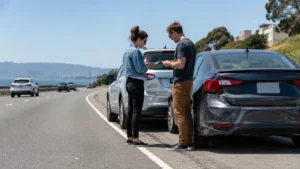
If you are involved in a rear-end accident in the Bay Area, your first priority should be safety. Move to a safe location if possible and check for injuries. Call 911 if anyone is hurt or if the scene is unsafe. Once immediate safety concerns are addressed, exchange information with the other driver and document the scene carefully.
Try to take photos of both vehicles, the road, traffic conditions, visible injuries, skid marks, and the surrounding area. If there are witnesses, get their contact information. Avoid arguing about fault at the scene. It is usually better to speak carefully, cooperate with law enforcement, and let the facts be reviewed later.
Medical attention is also important, even if your symptoms seem mild at first. Rear-end collision injuries often show up later, and a prompt evaluation helps protect both your health and your claim. Waiting too long can make recovery harder and can also give insurers room to argue that your injuries were not caused by the accident.
How Drivers Can Reduce the Risk of Rear-End Crashes
The best way to reduce rear-end crash risk is to return to the basics of safe driving. Leave more distance than you think you need, especially in stop-and-go traffic. Scan well ahead instead of staring only at the car directly in front of you. If traffic is building near a merge, bridge, tunnel, or downtown exit, assume conditions may change quickly.
Put the phone away and minimize dashboard distractions before the trip starts. Set your route in advance. If you need to send a message, pull over safely first. In rain or low visibility, reduce speed and increase following distance. If the driver behind you is tailgating, stay calm and give yourself more room ahead so you can brake more gradually if needed.
Defensive driving matters even more in the Bay Area because the road environment is so dynamic. You may not be able to control what the other driver does, but you can control your spacing, attention, and reaction habits. Those choices often determine whether a sudden slowdown becomes a close call or a costly crash.
Why This Trend Matters for Bay Area Drivers
Rear-end collisions are increasing in Bay Area traffic because several risk factors are colliding at the same time. Congestion remains heavy. Drivers are more distracted by technology. Delivery and rideshare activity add complexity. Roadways shift constantly between flowing and stopped traffic. Many drivers are tired, rushed, and too close to the vehicle ahead. None of these issues alone fully explains the trend, but together they create a high-risk environment where rear-end crashes are increasingly common.
For drivers, that means staying alert is more important than ever. For accident victims, it means taking these crashes seriously and understanding that even a so-called routine rear-end collision can lead to real injuries and financial stress. If you were hurt in this kind of accident, it is worth learning about your legal options, documenting your losses, and getting proper medical care.
In a region where traffic pressure is a daily reality, awareness is one of the best tools drivers have. Paying attention, allowing room to stop, and respecting changing conditions can go a long way toward reducing crash risk. And when an accident does happen, informed action can make the recovery process more manageable.
Final Thoughts
Rear-end accidents are not just random events. In many cases, they are the predictable result of modern traffic pressure, distracted driving, and reduced patience behind the wheel. The Bay Area brings all of those risk factors together in one of the busiest and most complex driving environments in the country. That is why this issue continues to grow in importance for San Francisco and the surrounding region.
If your goal is to protect yourself, the message is simple: stay focused, leave room, and expect sudden changes in traffic. If you have already been involved in a rear-end crash, take your injuries seriously, preserve evidence, and make sure you understand your rights under California law. A little caution before a crash and a little knowledge after one can make a major difference.