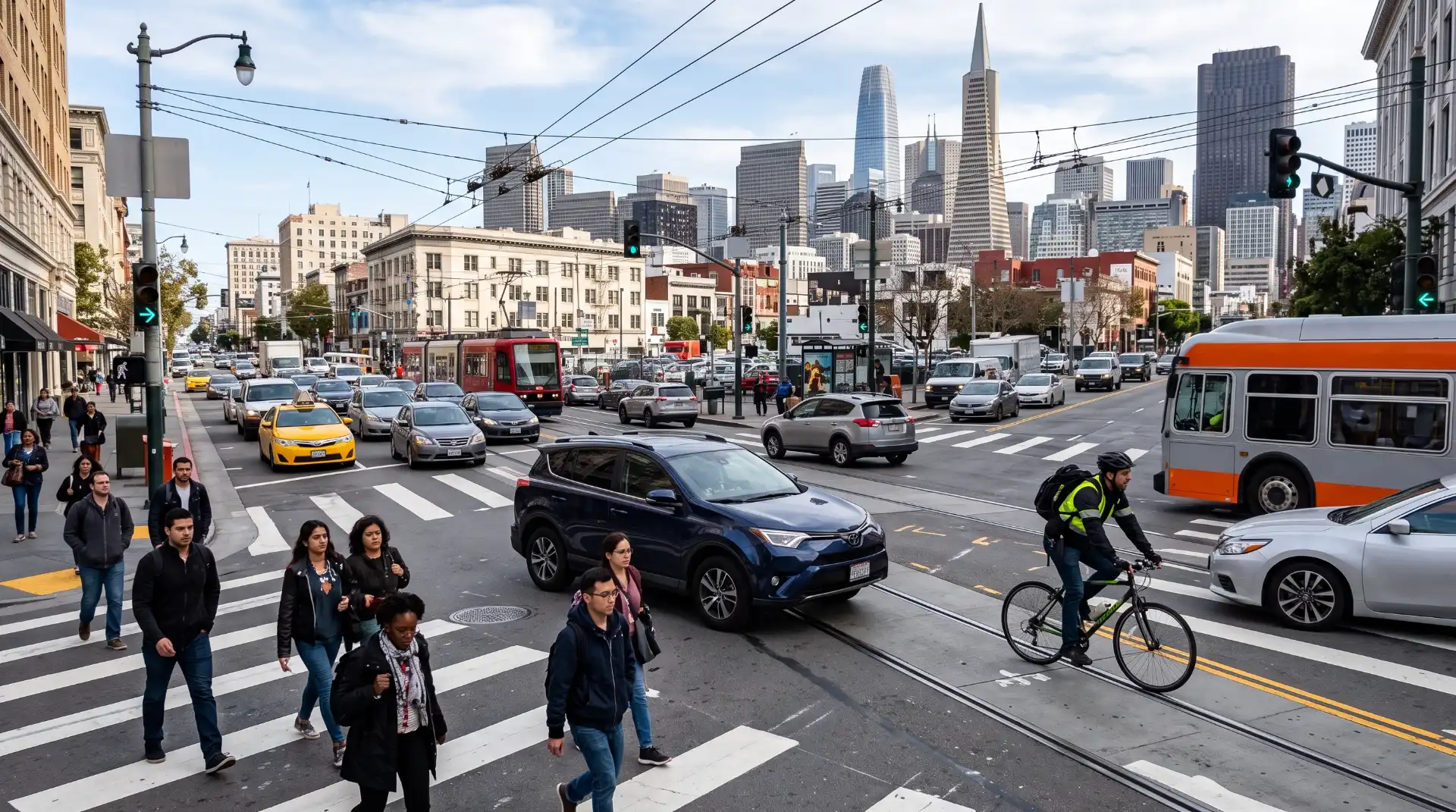
San Francisco is one of the most walkable and densely populated cities in the United States, but that also means its streets are among the most complex and high-risk for drivers, pedestrians, and cyclists. With heavy traffic, narrow roads, frequent construction, and a growing mix of rideshare vehicles, electric scooters, and bicycles, certain intersections have become hotspots for serious injury crashes.
In this 2026 update, we take a closer look at the most dangerous intersections in San Francisco based on the latest available collision data, long-term safety reports, and current traffic trends. We also explain why these locations remain risky and what you should do if you are involved in an accident.
Why Some Intersections in San Francisco Are More Dangerous
Not all intersections are created equal. In San Francisco, crash-prone intersections typically share several characteristics, including high traffic volume, complicated turning patterns, limited visibility, and a mix of transportation modes.
According to official city safety initiatives like Vision Zero, a small percentage of streets account for the majority of severe and fatal traffic injuries. This means that certain intersections consistently see higher crash rates year after year.
Factors that contribute to dangerous intersections include speeding, failure to yield, distracted driving, and aggressive lane changes. In dense urban areas like San Francisco, even a minor mistake can quickly lead to a serious collision involving multiple parties.
Most Dangerous Intersections in San Francisco
While no single list perfectly captures real-time risk, the following intersections are consistently identified through multi-year injury collision data and ongoing safety reports as some of the most hazardous in the city.
Market Street and 6th Street
This intersection has long been one of the most dangerous in San Francisco. Located in a high-density area with heavy pedestrian traffic, it is particularly prone to pedestrian-involved crashes. Drivers navigating turns often encounter unpredictable foot traffic, increasing the risk of serious injuries.
Mission Street and 16th Street
Mission and 16th is another major hotspot due to its high volume of vehicles, buses, and pedestrians. The combination of public transit activity and frequent mid-block crossings creates a challenging environment for drivers.
Geary Boulevard and Masonic Avenue
Geary and Masonic is known for fast-moving traffic combined with complex turning patterns. Drivers traveling at higher speeds often struggle to react quickly to pedestrians and cyclists entering the intersection.
Octavia Boulevard and Market Street
This intersection connects multiple major routes, including freeway access points. The merging of local and high-speed traffic creates confusion and increases the likelihood of side-impact collisions.
Folsom Street and 9th Street
Folsom and 9th is a high-risk area due to its proximity to freeway ramps and heavy commuter traffic. Sudden lane changes and congestion frequently lead to rear-end and sideswipe accidents.
Van Ness Avenue and Lombard Street
This intersection sees a constant flow of vehicles traveling through major corridors. Limited visibility and frequent turning movements make it a common site for collisions.
Market Street and 5th Street
Similar to Market and 6th, this intersection experiences heavy pedestrian activity. Tourists, commuters, and cyclists all converge here, increasing the risk of accidents caused by distraction or misjudgment.
Ocean Avenue and Mission Street
More recently, this intersection has been identified as a growing concern due to increasing traffic volume and ongoing development in the area. It is now considered part of the city’s high-injury network.
2026 Traffic Trends Making Intersections More Dangerous
Several emerging trends are making intersections in San Francisco even more dangerous in 2026. The rise of rideshare services like Uber and Lyft has increased the number of vehicles making sudden stops and turns. Delivery drivers and gig workers also contribute to unpredictable traffic patterns.
Electric scooters and bicycles continue to grow in popularity, adding another layer of complexity to already crowded intersections. Drivers must now account for smaller, less visible road users who may move differently than traditional vehicles.
Additionally, the introduction of automated driving features and partially autonomous vehicles has changed driver behavior. While these technologies are designed to improve safety, they can sometimes create confusion when human drivers rely too heavily on automation.
Common Causes of Intersection Accidents
Most intersection accidents in San Francisco can be traced back to a few common causes. Failure to yield the right of way is one of the leading factors, especially when drivers make left turns across traffic.
Distracted driving remains a major issue. Even a momentary glance at a phone can prevent a driver from noticing a pedestrian entering a crosswalk. Speeding also plays a significant role, as it reduces reaction time and increases the severity of injuries.
Other contributing factors include running red lights, poor visibility at night, and unfamiliarity with complex intersections. Tourists and out-of-town drivers are especially vulnerable to making mistakes in San Francisco’s unique road layout.
What to Do After an Intersection Accident
If you are involved in an accident at one of these dangerous intersections, your actions immediately after the crash can significantly impact your ability to recover compensation.
First, prioritize safety by moving to a secure location if possible and calling emergency services. Seek medical attention right away, even if your injuries seem minor. Some conditions, such as whiplash or internal injuries, may not be immediately apparent.
Document the scene by taking photos of the vehicles, road conditions, traffic signals, and any visible injuries. Collect contact information from witnesses, as their statements can be crucial in proving fault.
You should also review helpful legal resources such as what to do after a car accident and how to prove fault in a car accident to better understand your rights.
How Liability Is Determined in Intersection Crashes
Determining fault in an intersection accident can be complex. California follows a comparative negligence system, which means multiple parties can share responsibility for a crash.
Insurance companies and attorneys will examine several factors, including traffic signals, right-of-way rules, and driver behavior. Evidence such as surveillance footage, dashcam recordings, and police reports often plays a key role.
If you are unsure about your legal options, you may want to review California comparative negligence laws to understand how fault may affect your claim.
How a Car Accident Lawyer Can Help
After a serious intersection accident, dealing with insurance companies can be overwhelming. A car accident lawyer can help you gather evidence, determine liability, and negotiate with insurers on your behalf.
Legal professionals also work with medical experts to document your injuries and calculate the full extent of your damages, including lost wages and future medical expenses. This ensures that you are not left paying out of pocket for someone else’s negligence.
To learn more about your legal options, you can explore San Francisco car accident attorney services and understand how experienced representation can support your case.
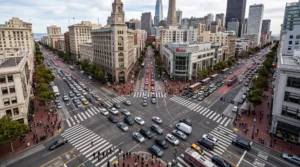
Staying Safe at High-Risk Intersections
While you cannot control other drivers, there are steps you can take to reduce your risk at dangerous intersections. Always approach intersections with caution, even when you have the right of way.
Slow down, stay alert, and avoid distractions. Make eye contact with pedestrians whenever possible, and be especially cautious when making left turns. Defensive driving can make a significant difference in preventing accidents.
For additional safety guidance, you can review resources from the National Highway Traffic Safety Administration, which provides up-to-date information on safe driving practices in the United States.
Final Thoughts
San Francisco’s most dangerous intersections continue to pose serious risks in 2026, especially as traffic patterns evolve and the number of road users increases. By understanding where accidents are most likely to occur and why they happen, drivers can take proactive steps to stay safe.
If you or a loved one has been injured in an intersection accident, knowing your legal rights is essential. Taking the right steps after a crash and seeking professional guidance can help you protect your health, your finances, and your future.