
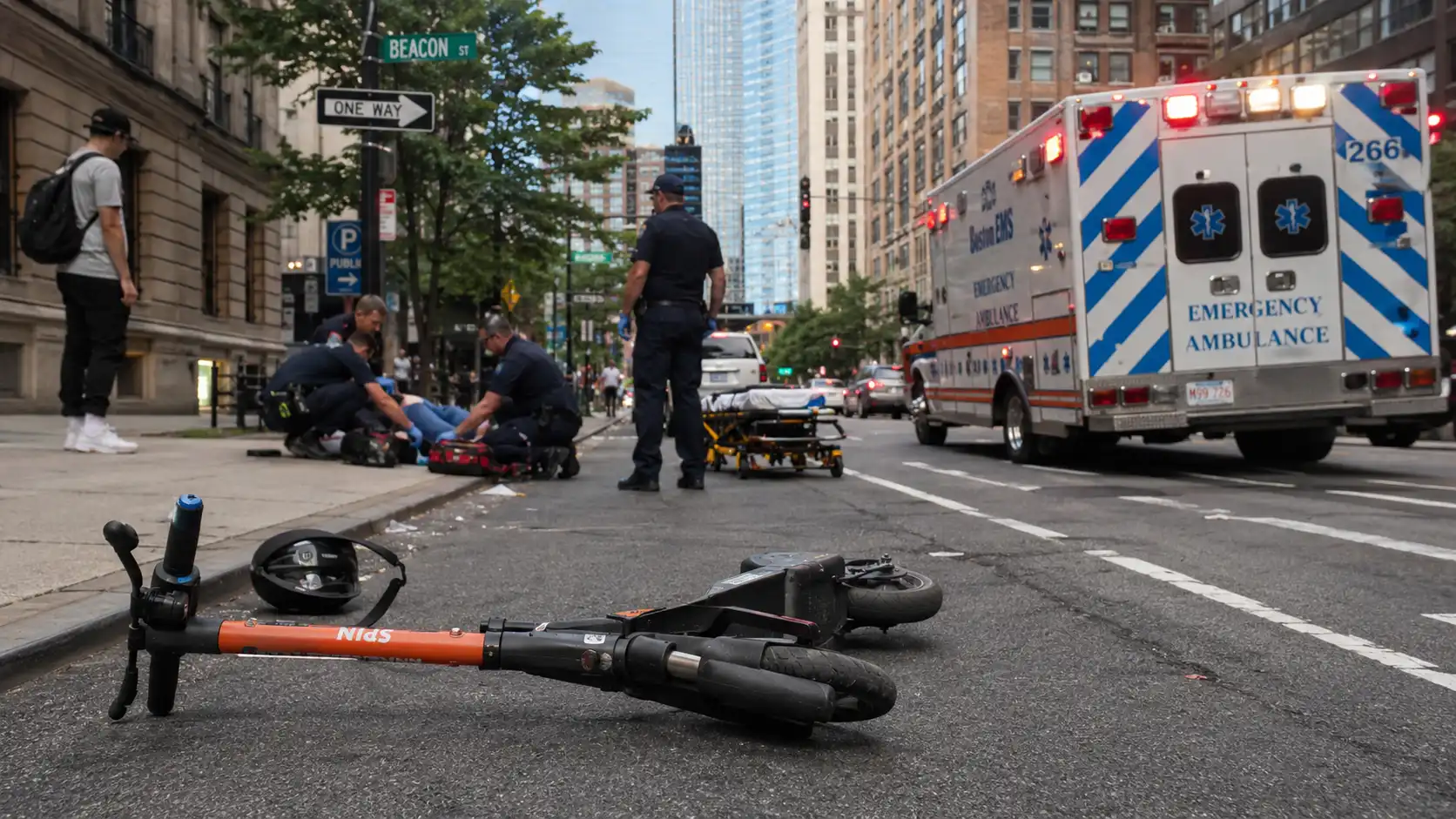
Electric scooters and e‑motorcycles have transformed urban transportation in California over the past decade. With growing popularity comes increased risk, and collision claims involving these vehicles are on the rise. Riders, pedestrians, and drivers now face unique legal challenges after accidents involving e‑scooters or e‑motorcycles. Understanding the trends, liabilities, and claims process is crucial for anyone involved in a collision.
According to the National Highway Traffic Safety Administration (NHTSA), electric scooter accidents have surged as the devices become more widely used in metropolitan areas. Riders often sustain injuries that may not be obvious at first, such as soft tissue damage, concussions, or road rash, complicating insurance and legal claims. In California, the increasing adoption of e‑mobility devices has led to a notable uptick in personal injury claims specifically targeting e‑scooter and e‑motorcycle collisions.
Why E‑Scooter and E‑Motorcycle Collisions Are Rising
Several factors contribute to the increasing number of accidents involving e‑scooters and e‑motorcycles. One of the primary causes is the expansion of shared micro-mobility programs in cities like Los Angeles, San Francisco, and San Diego. Shared e‑scooters are often used by inexperienced riders unfamiliar with local traffic rules. Speeding, abrupt stops, and improper lane usage can easily result in collisions with other vehicles or pedestrians.
E‑motorcycles, which are heavier and faster than traditional scooters, add another layer of risk. Many riders are transitioning from smaller bikes without fully understanding the handling differences. California traffic density and urban infrastructure challenges, including narrow streets and insufficient bike lanes, increase the likelihood of accidents. Weather conditions, road hazards, and limited protective gear also play a role.
The rise of e‑scooter and e‑motorcycle accidents is not just a local phenomenon. A recent study from the Insurance Institute for Highway Safety (IIHS) highlighted that urban areas across the U.S. are reporting higher injury claims for riders of electric mobility devices, with California leading due to its high adoption rates. The consequences of these collisions often extend beyond physical injuries, affecting employment, daily routines, and long-term medical care.
For further details on mobility safety trends, the California Department of Transportation provides comprehensive statistics and guidance for riders and drivers.
Types of Injuries Commonly Seen
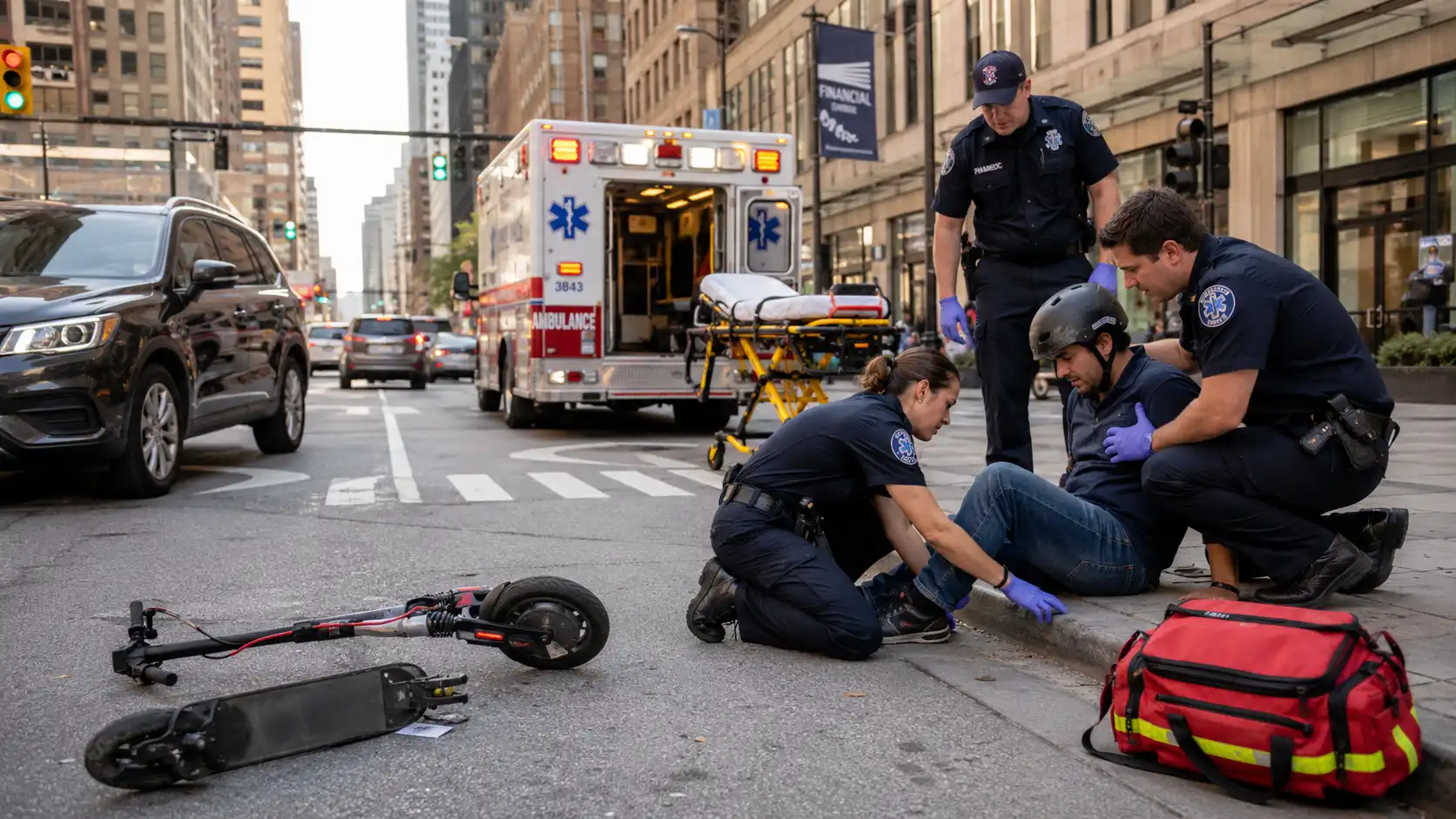
Accidents involving e‑scooters and e‑motorcycles tend to result in a wide spectrum of injuries. Minor accidents may cause road rash, bruises, or sprains, but severe collisions can lead to broken bones, concussions, or spinal injuries. Unlike traditional bicycles, e‑scooters can accelerate quickly, and riders often do not have protective gear equivalent to motorcycles. Helmets, elbow pads, and gloves are recommended but not always used.
Head injuries are particularly concerning. Riders thrown from an e‑scooter or e‑motorcycle at even moderate speeds can experience traumatic brain injuries, which may not show immediate symptoms. Soft tissue injuries, including ligament tears and contusions, are often underestimated, yet they may require months of treatment and rehabilitation. Legal claims for such injuries typically involve medical documentation and expert testimony to establish the severity and impact on daily life.
The nature of e‑motorcycles, which resemble traditional motorcycles in weight and speed, increases the risk of severe injuries. Collisions with cars or larger vehicles often result in complex trauma, requiring multiple medical specialists to treat.
Liability and Legal Considerations
Establishing liability in e‑scooter and e‑motorcycle collisions can be complicated. Liability may rest with the rider, another motorist, a pedestrian, or even a municipality. California law requires that all motor vehicles and e‑mobility devices adhere to traffic rules, and negligence is the primary factor in personal injury claims.
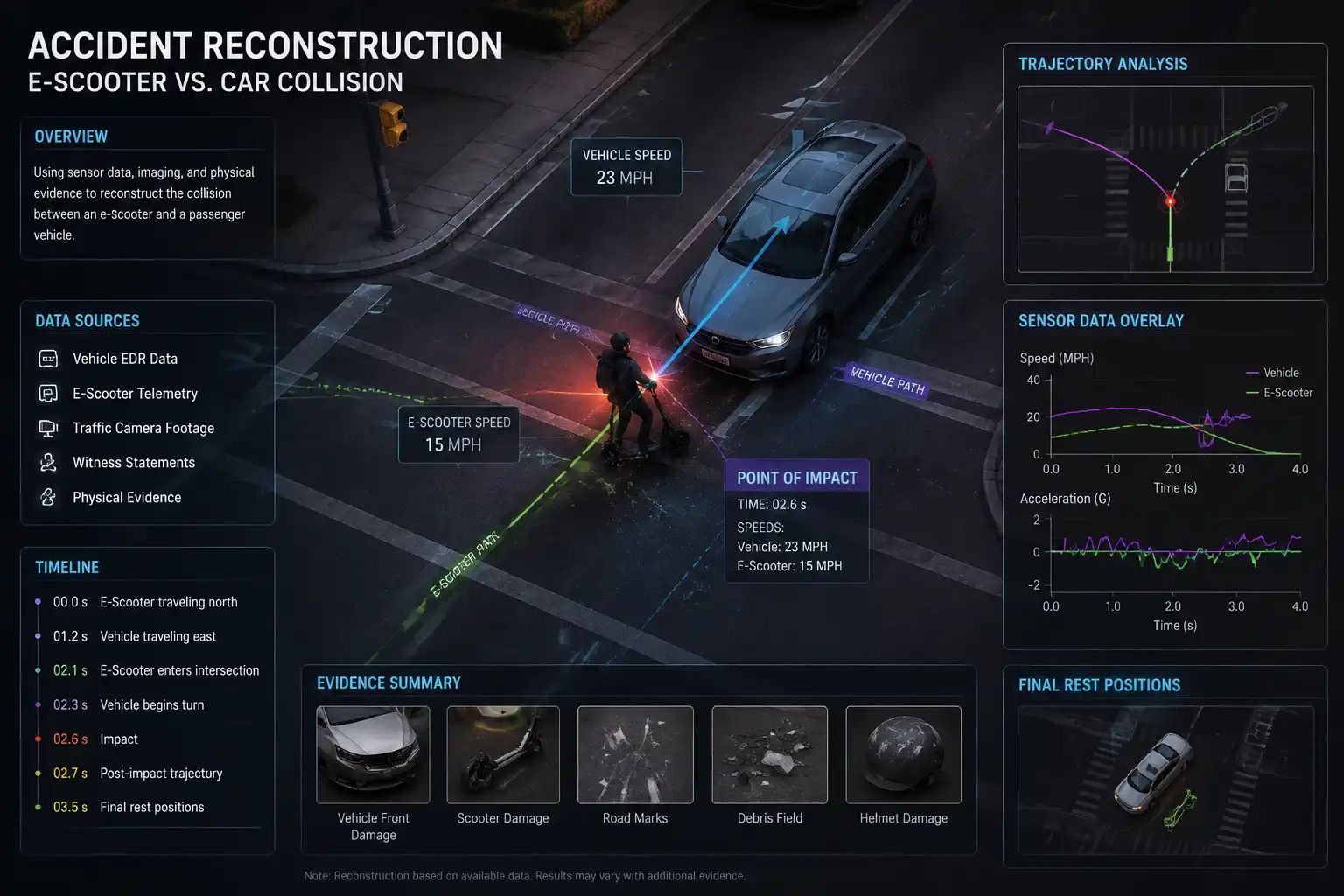
Shared e‑scooter companies may be partially responsible if the vehicle is defective, improperly maintained, or if riders were given inadequate safety information. For example, accidents caused by malfunctioning brakes, poorly inflated tires, or loose decks may involve claims against the company in addition to a driver at fault. Determining liability often involves collecting traffic camera footage, police reports, witness statements, and device data logs.
Insurance coverage is another key consideration. Standard auto insurance may not cover e‑scooter or e‑motorcycle accidents, leaving riders reliant on personal health insurance or the shared scooter provider’s liability policy. E‑motorcycles, however, generally require standard motorcycle insurance, which can simplify claims but does not remove the need to establish fault.
Filing a Personal Injury Claim
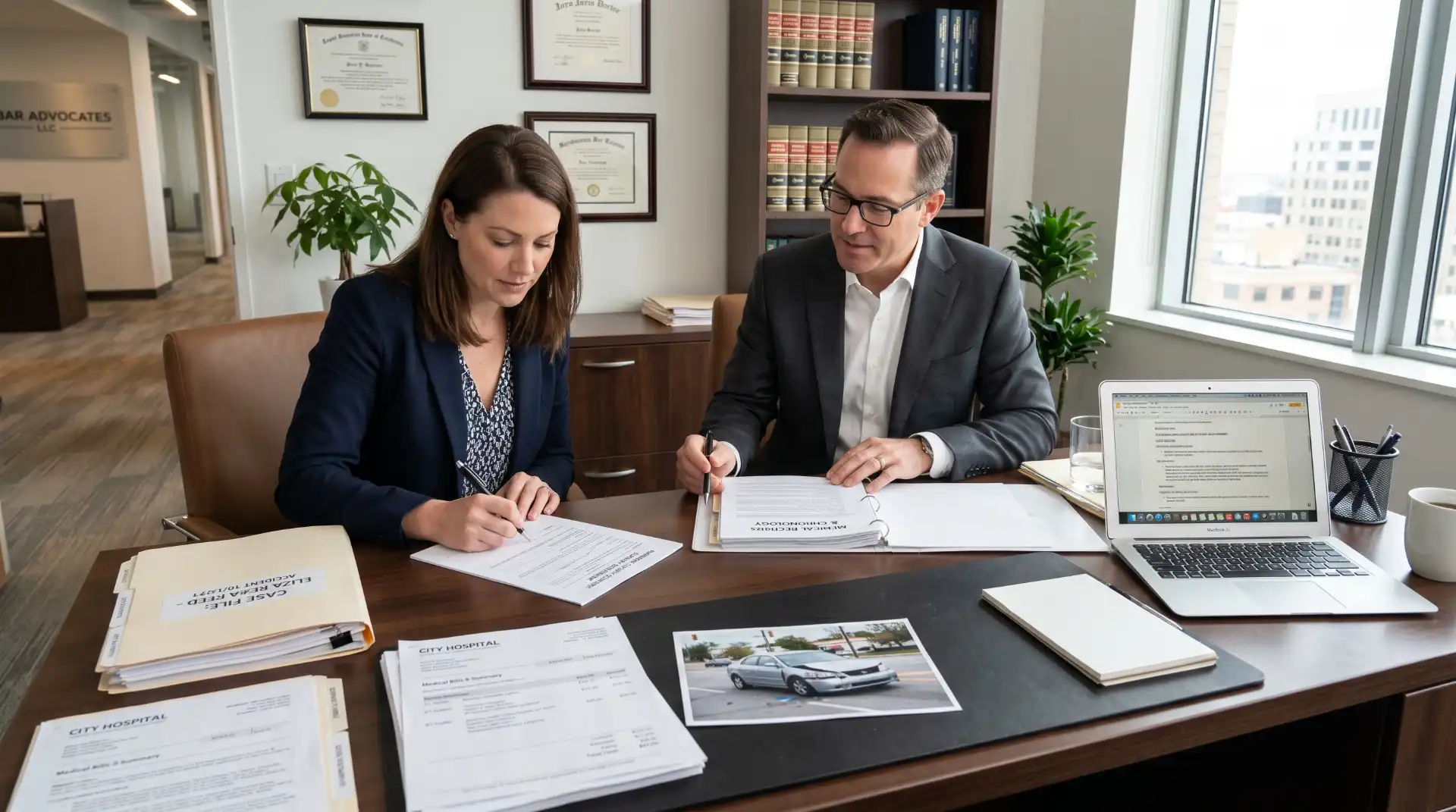
Victims of e‑scooter and e‑motorcycle accidents can pursue personal injury claims to recover damages for medical bills, lost wages, and pain and suffering. The claims process typically begins by documenting the accident, obtaining medical treatment, and reporting the incident to law enforcement. Evidence gathering is crucial, as insurance adjusters often scrutinize claims closely due to the unconventional nature of these vehicles.
Legal representation may improve the chances of recovering damages. Attorneys experienced with e‑mobility accident claims understand how to navigate complex liability issues, negotiate with insurers, and, if necessary, litigate to protect the injured party’s rights. In California, comparative fault rules may reduce recoverable damages if the rider shares some responsibility for the accident. Having an attorney evaluate the evidence ensures a more accurate assessment of liability and potential compensation.
Common Challenges in E‑Scooter and E‑Motorcycle Cases
One of the main challenges in these cases is proving fault, especially when accidents involve multiple parties. Unlike car collisions, e‑scooter and e‑motorcycle accidents may involve subtle traffic violations, ambiguous right-of-way, or shared negligence. Injuries are often not immediately visible, and insurance companies may attempt to downplay the claim.
Another challenge is technological evidence. Many e‑scooters and e‑motorcycles have onboard sensors, GPS, and digital logs that can be pivotal in establishing facts. Obtaining these records can require technical expertise and legal authorization. Witness statements and traffic cameras remain essential to corroborate accident scenarios.
Furthermore, many riders do not carry sufficient insurance coverage. Shared scooter companies may have limited liability coverage, and riders may not have personal injury protection. These gaps often necessitate creative legal strategies to recover damages from multiple sources.
Safety Tips for Riders and Drivers
Reducing accidents requires awareness and responsible behavior from both riders and drivers. For e‑scooter and e‑motorcycle riders, wearing helmets, avoiding high-traffic roads, obeying traffic signals, and learning the vehicle’s handling characteristics are critical. Drivers must remain vigilant for smaller, faster-moving devices, especially in urban settings and bike lanes.
Cities have begun implementing safety measures, including dedicated scooter lanes, speed restrictions, and public awareness campaigns. Proper enforcement of these regulations can help mitigate the risk of collisions, but riders and drivers must remain proactive. Reporting hazards such as potholes, debris, and poorly marked lanes also contributes to safer conditions for all road users.
Recent Case Examples in California
Several recent incidents illustrate the growing problem. In Los Angeles, a collision between an e‑motorcycle and a sedan left the rider with multiple fractures, highlighting the need for proper safety gear. In San Francisco, an e‑scooter rider collided with a delivery van, resulting in hospitalization and a pending personal injury claim. These cases reflect broader trends showing increased claims and legal complexities.
The California Office of Traffic Safety has reported a notable increase in e‑scooter-related emergency room visits, particularly among young adults and tourists. This demographic often lacks experience and familiarity with traffic rules, contributing to accident frequency. Legal claims in these situations frequently involve multiple parties and careful investigation to determine liability.
Conclusion
As e‑scooters and e‑motorcycles continue to grow in popularity, collision claims are expected to rise throughout California and other urban centers in the U.S. Understanding the risks, legal responsibilities, and claims process is essential for anyone involved in these accidents. With careful documentation, timely legal consultation, and attention to safety, injured riders can navigate the complex landscape of e‑mobility accident claims.
Riders should remain informed about their rights, carry appropriate insurance, and practice safe riding habits. Drivers must stay alert to smaller vehicles and respect lane-sharing regulations. Consulting an attorney experienced in e‑scooter and e‑motorcycle collisions ensures proper guidance when pursuing damages for injuries and losses.
For more information on traffic safety and injury prevention, visit the California Department of Transportation