
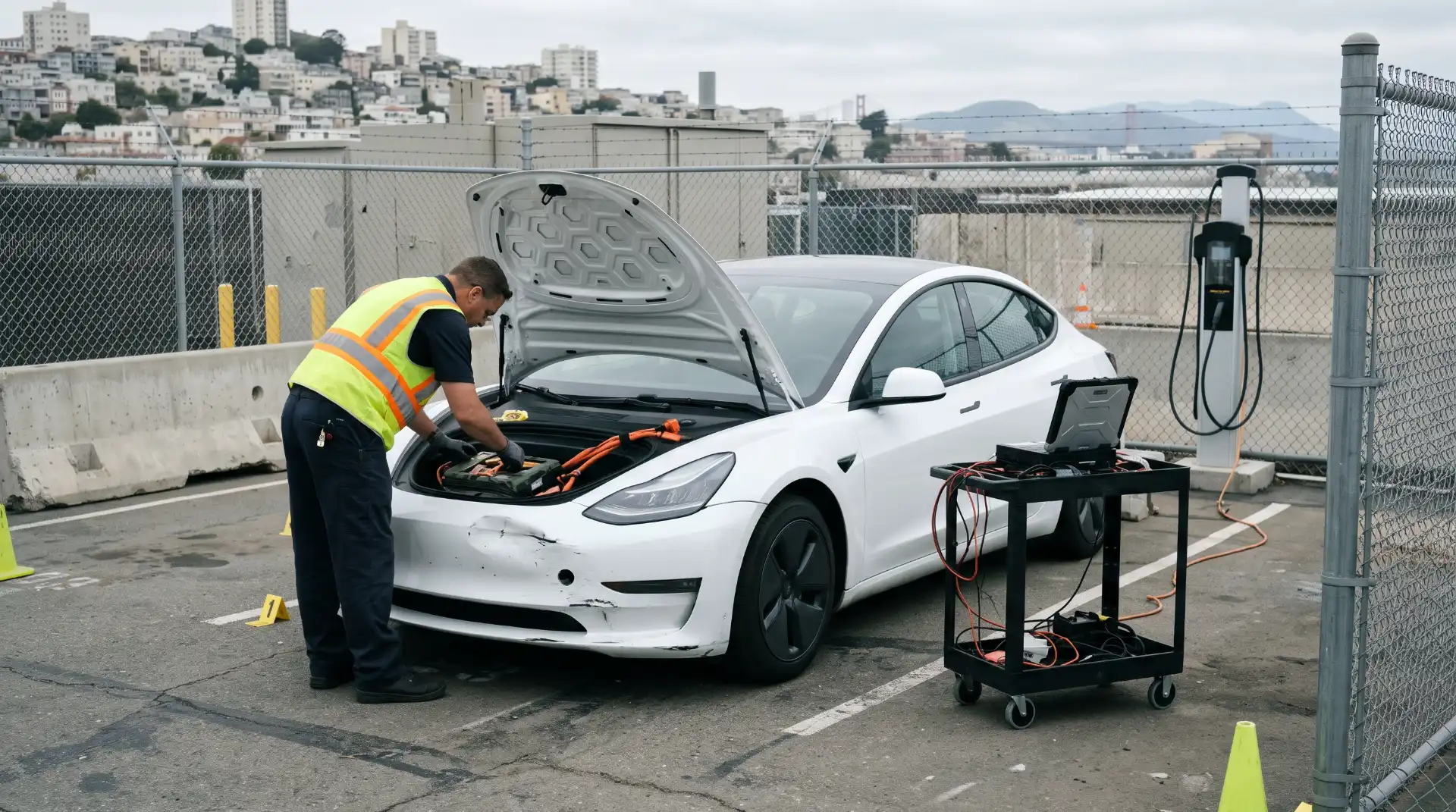
Electric vehicles are becoming an increasingly common sight on American roads. From compact electric cars and luxury sedans to electric SUVs and commercial delivery vehicles, more drivers are choosing vehicles powered by rechargeable battery systems. These vehicles offer potential benefits, including reduced tailpipe emissions, fewer traditional engine components, and different maintenance requirements. However, electric vehicles also introduce safety and liability questions that can become particularly complicated when a battery component, charging system, or electrical control unit malfunctions.
A defective electric vehicle component can create more than an ordinary mechanical problem. Depending on the nature of the failure, a malfunction may cause a vehicle to lose power while traveling, experience unexpected acceleration or deceleration, become difficult to control, or develop an electrical or thermal problem that leads to smoke or fire. In some circumstances, a battery-related incident may occur after a collision, creating additional risks for occupants, nearby motorists, emergency responders, and people whose property is exposed to the fire.
These incidents raise important legal questions. If an electric vehicle suddenly loses power because of a defective charging component, who pays for the resulting accident? Can an injured driver sue the vehicle manufacturer if a battery defect causes a fire? Could the manufacturer of a charging station, electrical component, or replacement battery also be responsible? What happens when a defective vehicle component and another driver’s negligence contribute to the same collision?
In California, these questions may involve product liability law, ordinary negligence, comparative fault, insurance coverage, and evidence about how the vehicle was designed, manufactured, charged, maintained, and operated. Depending on the facts, responsibility may extend beyond the person driving the electric vehicle.
For San Francisco motorists, understanding these issues is especially important. The city’s crowded streets, steep hills, busy intersections, parking facilities, charging locations, and major commuter routes can make an unexpected vehicle malfunction particularly dangerous. An electric vehicle that suddenly loses propulsion in moving traffic or develops a serious electrical problem near other vehicles may create a chain of events resulting in significant injuries and property damage.
The central legal issue is not simply whether an electric vehicle battery or charging system malfunctioned. It is whether a defective product or another party’s negligent conduct caused or contributed to the accident and resulting harm.
How Electric Vehicle Battery and Charging Systems Work
Electric vehicles use several interconnected systems to store electricity, regulate power, monitor battery conditions, and deliver energy to the electric motor. Understanding these components helps explain how a relatively small electrical failure can potentially affect an entire vehicle.
Unlike a conventional gasoline-powered car, a battery-electric vehicle does not depend on an internal combustion engine and fuel delivery system to generate propulsion. Instead, it uses a high-voltage traction battery, an electric motor, power electronics, and computerized controls. Plug-in hybrid electric vehicles use similar battery and charging technology but also have a gasoline engine.
According to the National Highway Traffic Safety Administration, an electric vehicle’s battery pack contains connected battery cells and battery-management hardware and software. These components work together to store and deliver energy while monitoring battery operation. The agency also explains that the high-voltage traction battery is different from the smaller 12-volt battery used for conventional vehicle electronics.
NHTSA
The High-Voltage Battery Pack
The high-voltage battery pack is one of the most important components in an electric vehicle. It stores the energy needed to power the electric motor and other vehicle systems.
Battery packs contain numerous individual cells arranged into modules and connected through electrical components. Their design varies by manufacturer, vehicle model, battery chemistry, and intended performance.
A defect involving one cell or module can potentially affect the operation of a larger battery assembly. For example, an internal short circuit, damaged separator, manufacturing contamination, or another cell-level problem may create abnormal heat.
Under certain circumstances, this can lead to a process known as thermal runaway. Thermal runaway occurs when a battery cell experiences an uncontrolled increase in temperature that can cause further chemical reactions and additional heat generation.
When thermal runaway spreads between cells, the consequences may include smoke, fire, hazardous gas release, and damage to surrounding components.
This does not mean every electric vehicle battery problem results in a fire. Battery-management systems and thermal-control features are designed to monitor and manage operating conditions. However, a defective component or failure of protective systems may create risks that require investigation.
The Battery Management System
The battery management system monitors important battery operating conditions and helps regulate how the battery is charged and discharged.
Depending on the vehicle, it may monitor cell voltage, temperature, current, charging conditions, and other information used to manage battery performance.
The system can also communicate with other vehicle components and trigger protective responses when it detects certain abnormal conditions.
If a battery-management system contains a defect, receives inaccurate sensor information, or fails to respond appropriately to a dangerous condition, the battery may not receive the intended level of protection.
For example, imagine an electric vehicle whose temperature-monitoring system incorrectly reports that a battery module is operating within an acceptable range. If the actual temperature is significantly higher, the system may fail to provide an appropriate warning or protective response.
Whether that situation creates legal liability depends on the product’s design, the nature of the malfunction, applicable safety expectations, and evidence connecting the problem to the resulting injury.
The Integrated Charging Control Unit
An integrated charging control unit, sometimes called an ICCU, is another important component in certain electric vehicles.
Depending on the vehicle design, it can support charging functions and help manage electrical power between different vehicle systems.
A failure may create problems beyond the inability to charge the vehicle normally. Certain electrical-control problems may affect the low-voltage electrical system and potentially result in reduced or lost propulsion.
This issue has appeared in actual vehicle safety investigations. In 2024, NHTSA published a safety recall notice concerning certain 2022–2024 Kia EV6 vehicles. The recall described a potential problem involving the integrated charging control unit that could prevent the 12-volt battery from charging properly. If the condition progressed, the vehicle could experience reduced drive power or a complete loss of drive power, increasing the risk of a crash.
NHTSA Static
This example demonstrates why an electrical component associated with charging may become relevant to a collision investigation even when the accident does not involve a battery fire.
Onboard Chargers and Charging Ports
An electric vehicle’s onboard charger converts incoming alternating current into the form of electrical energy needed to charge the vehicle’s battery.
The charging port provides the physical connection between the vehicle and the charging equipment.
Problems involving connectors, wiring, charging electronics, insulation, temperature sensors, or other components may interfere with normal charging.
Depending on the defect, potential consequences may include charging interruptions, overheating, electrical damage, or other safety problems.
However, an interrupted charging session does not automatically mean that the vehicle is unsafe to drive. The nature of the warning, the affected component, and the manufacturer’s instructions must be considered.
External Charging Stations and Home Charging Equipment
Not every charging-related problem originates inside the vehicle.
Electric vehicles can be charged using home equipment, workplace charging systems, apartment-building installations, and public charging stations. These systems contain electrical components that must be appropriately designed, installed, maintained, and operated.
A defective charging cable, damaged connector, improperly grounded circuit, or malfunctioning charging station may create a potential electrical hazard.
The U.S. Department of Energy recommends purchasing safety-certified charging equipment and using qualified electrical contractors for home charging installations. It also explains that installations must comply with applicable electrical codes and local requirements.
afdc.energy.gov
This becomes important when determining whether a problem originated in the vehicle or the external charging infrastructure.
For example, an electric vehicle owner may report that a battery overheated while connected to a home charger. The investigation may need to examine the vehicle’s onboard charging system, the charging cable, the electrical circuit, the installation, and the charging equipment itself.
Without a technical inspection, it may be impossible to identify the actual source of the problem.
How a Defective EV Battery or Charging System Can Cause a Car Accident
Electric vehicle defects can contribute to accidents in several different ways. Some failures affect propulsion or vehicle control, while others create fire hazards that cause injuries or property damage.
Understanding the difference is important because a battery fire, a sudden loss of power, and an electrical malfunction may require different investigations.
Sudden Loss of Propulsion While Driving
One potential danger involves an electrical component that causes an electric vehicle to lose propulsion unexpectedly.
Imagine a driver traveling along Interstate 280 near San Francisco when the vehicle suddenly displays a power-system warning. The vehicle begins losing acceleration, and the driver cannot maintain the speed needed to move safely with surrounding traffic.
Other motorists approach from behind. One driver brakes suddenly, another changes lanes, and a chain-reaction collision develops.
If the loss of propulsion resulted from a defective charging-control component, battery-management system, or another electrical part, the injured motorists may have grounds to investigate a product liability claim.
The central question would be whether the component contained a legally actionable defect and whether that defect caused or contributed to the collision.
Investigators may also examine whether the driver received warning messages, whether the vehicle entered a reduced-power mode, and whether the motorist had a reasonable opportunity to move to a safer location.
Battery Overheating and Thermal Runaway
Battery overheating can create a different type of accident risk.
A defective battery cell may experience abnormal heating that develops into thermal runaway. Depending on the circumstances, the problem can cause smoke, fire, and hazardous gas release.
If an electric vehicle experiences a battery fire in a parking garage, charging facility, residential driveway, or roadway, people nearby may face exposure to flames, smoke, and other hazards.
A fire can also spread to nearby vehicles or structures.
For example, an electric vehicle charging overnight in an apartment parking structure may develop a battery-related fire. Other vehicles and nearby property could be damaged, while residents and emergency responders may be exposed to dangerous conditions.
The legal investigation may involve the vehicle manufacturer, battery supplier, charging equipment manufacturer, property owner, maintenance company, or another party whose conduct contributed to the incident.
Defective Charging Equipment and Electrical Fires
Charging equipment can create a separate category of potential liability.
A defective charging cable, connector, control unit, or electrical installation may overheat or create an electrical fault.
Suppose an improperly manufactured charging connector overheats during a charging session and causes a fire that damages a garage and nearby vehicles. Investigators may need to determine whether the problem originated in the connector, charging station, vehicle charging port, electrical circuit, or installation work.
The person who owns the property is not automatically responsible merely because the incident happened there.
Likewise, the vehicle manufacturer is not automatically liable simply because an electric vehicle was connected to the equipment.
The actual source of the failure must be identified.
Unexpected Acceleration or Deceleration
An electrical control problem may also affect how a vehicle responds to accelerator or braking inputs.
Modern electric vehicles rely on computerized systems to manage motor output, regenerative braking, and other driving functions.
A defect involving a sensor, controller, software component, or electrical connection may potentially produce unexpected vehicle behavior.
For example, a vehicle could experience an unusual power response while entering an intersection. If the driver cannot control the vehicle as expected and strikes another car, the incident may require an examination of the accelerator-control system, motor controller, software records, and physical components.
Not every unexpected acceleration event proves a product defect. Driver input, pedal obstruction, mechanical conditions, and other explanations must also be investigated.
Electrical Failure During a Highway Merge
Highway merges can become particularly dangerous when a vehicle suddenly loses power.
A driver entering a busy freeway needs sufficient acceleration to merge safely with moving traffic. If an electrical malfunction unexpectedly reduces propulsion, the vehicle may become an obstacle in a lane where other motorists are traveling at higher speeds.
A rear-end collision or chain-reaction crash may follow.
In these cases, accident reconstruction can help establish whether the vehicle experienced a sudden power reduction, how quickly it slowed, and whether other drivers had enough time to respond.
Fires After an Initial Collision
Some electric vehicle battery incidents occur after a separate traffic collision.
A vehicle may initially be struck by another motorist, causing damage to the battery enclosure or related electrical components. A fire may develop immediately or after the initial impact.
The fact that a battery fire occurred after a collision does not automatically establish that the battery was defective.
Investigators must distinguish between damage caused by the initial crash and any separate product defect that may have contributed to the fire or increased its severity.
For example, a battery enclosure might have been designed or manufactured in a way that failed to provide an appropriate level of protection under foreseeable collision conditions. Alternatively, the battery may have been damaged solely because of an unusually severe impact.
These are different legal questions requiring technical evidence.
Who Pays When a Defective EV Battery Causes a Crash?
The party responsible for paying compensation depends on the cause of the accident, the legal claims available, and applicable insurance coverage.
In some cases, the vehicle manufacturer may be responsible. In others, liability may involve a battery supplier, charging equipment company, installer, repair facility, property owner, or negligent driver.
Several parties may also share responsibility.
The Electric Vehicle Manufacturer
The vehicle manufacturer may face a product liability claim when a defective vehicle design, manufacturing problem, or inadequate warning contributes to an accident.
For example, if a vehicle’s battery-management system fails to detect a dangerous battery condition because of a design defect, the manufacturer may become a central focus of the investigation.
The same may be true when a defective electrical component causes an unexpected loss of propulsion while driving.
However, the manufacturer is not automatically responsible whenever an EV experiences a problem.
The investigation must establish the alleged defect, causation, and other legal requirements.
The Battery Cell or Battery Pack Manufacturer
Electric vehicle batteries may involve components supplied by companies other than the vehicle manufacturer.
A battery pack can contain cells, modules, connectors, cooling components, sensors, and control hardware produced through a complex supply chain.
If an individual cell or module contains a manufacturing defect, the company responsible for producing that component may become relevant to the claim.
For example, improperly manufactured battery cells might contain internal defects that increase the risk of overheating under normal operating conditions.
If the defect causes a fire that injures an occupant or damages another person’s property, the component manufacturer may face potential product liability exposure.
The exact legal responsibility depends on the evidence and applicable law.
The Charging Station Manufacturer
A charging station manufacturer may become involved when a defective charging unit contributes to an electrical incident.
Potential problems may include defective internal wiring, damaged connectors, faulty temperature controls, electrical protection failures, or other component issues.
Suppose a public charging station repeatedly overheats during ordinary use because of a defective connector assembly. If the defect causes a fire that injures someone or damages nearby property, the charging equipment manufacturer may need to be investigated.
The injured person would generally need evidence connecting the equipment defect to the incident.
The Charging Station Operator
A charging station operator may also become relevant.
Operators may have responsibilities involving equipment inspection, maintenance, repair, safety procedures, and responding to reported problems.
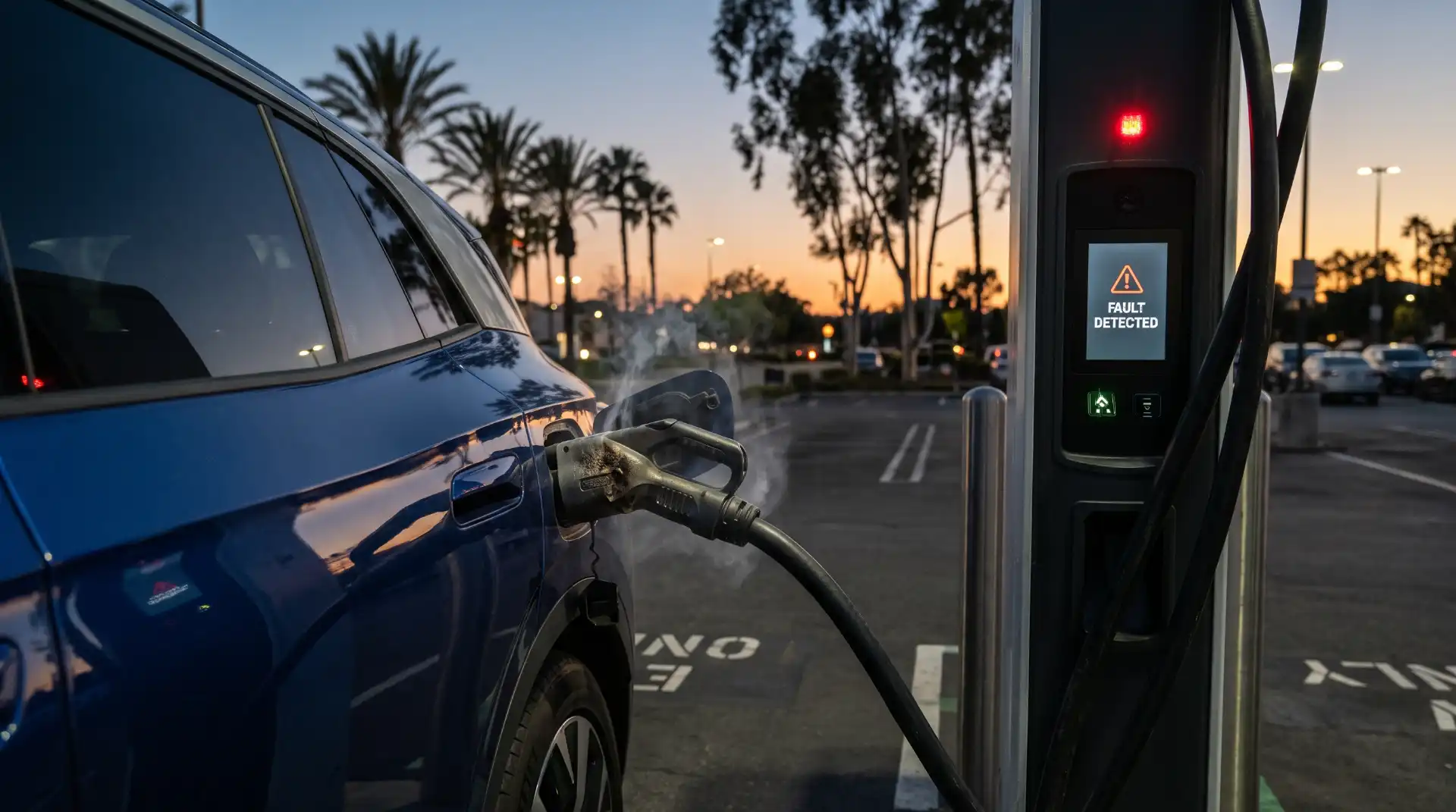
For example, a public charging station might display repeated fault warnings or show visible damage to a charging cable. If the operator knowingly leaves dangerous equipment available for use and someone is injured, the operator’s conduct may become relevant to a negligence claim.
However, the operator is not automatically responsible for every charging-related accident.
The investigation should determine whether the operator knew or reasonably should have known about the problem and whether appropriate action could have prevented the incident.
The Electrical Contractor or Installation Company
A charging-related accident may also involve improper installation.
Home charging equipment can require dedicated electrical circuits, appropriate wiring, suitable protective devices, and compliance with local building and electrical requirements.
If a contractor installs equipment incorrectly, the installation may create an unreasonable electrical hazard.
For example, a contractor might install a Level 2 charging system without properly evaluating the home’s electrical capacity or following applicable installation requirements. A resulting electrical problem could cause property damage or injuries.
The contractor may face a negligence claim if the evidence establishes that improper work caused the incident.
The equipment manufacturer may also need to be investigated if a separate product defect contributed to the failure.
The Repair Shop or EV Service Provider
Electric vehicles require specialized knowledge when technicians work on high-voltage electrical systems.
A repair facility may become relevant if improper repairs, incorrect component installation, or inadequate calibration contribute to a later accident.
Imagine that a repair shop replaces a damaged battery module but fails to follow required procedures. The vehicle later experiences an electrical failure that results in a collision.
The investigation may examine the repair records, technician qualifications, replacement parts, diagnostic information, and manufacturer’s service instructions.
Not every repair-related malfunction proves negligence, but the repair history can be important evidence.
Another Negligent Driver
A defective EV component does not necessarily eliminate another motorist’s responsibility.
For example, a vehicle may lose power because of a defective charging-control unit while another driver is following too closely and crashes into it.
The first vehicle’s defect and the second driver’s negligent following distance may both contribute to the collision.
In such circumstances, the investigation may need to evaluate both product liability and ordinary negligence claims.
The Property Owner or Parking Facility Operator
A property owner may become relevant when an incident involves charging equipment installed on the premises.
For example, an apartment building or commercial parking facility may have responsibilities involving maintenance of its electrical infrastructure and common areas.
If a dangerous charging installation or known electrical hazard is left unaddressed, the property owner or manager may face potential premises liability issues depending on the circumstances.
However, a property owner is not automatically responsible for a defective battery manufactured by an unrelated company.
The source of the hazard and the property owner’s knowledge or responsibilities must be examined.
Can You Sue an EV Manufacturer Under California Product Liability Law?
Yes, potentially. California law recognizes product liability claims involving defective products that cause personal injury or property damage.
These claims generally fall into three major categories: manufacturing defects, design defects, and failure to provide adequate warnings or instructions.
The legal standards and evidence required can differ depending on the type of claim.
Manufacturing Defects Involving EV Batteries
A manufacturing defect may occur when an individual battery, electrical component, charging unit, or other product differs from the manufacturer’s intended specifications because of an error during production.
For example, a battery cell may contain an internal manufacturing flaw that increases the likelihood of an electrical short circuit.
Other possible manufacturing issues could involve improperly assembled connectors, defective insulation, damaged wiring, or components that fail to meet the manufacturer’s specifications.
The important question is whether the specific product was defective when it left the relevant manufacturing process and whether that defect contributed to the injury.
A battery fire alone does not establish a manufacturing defect.
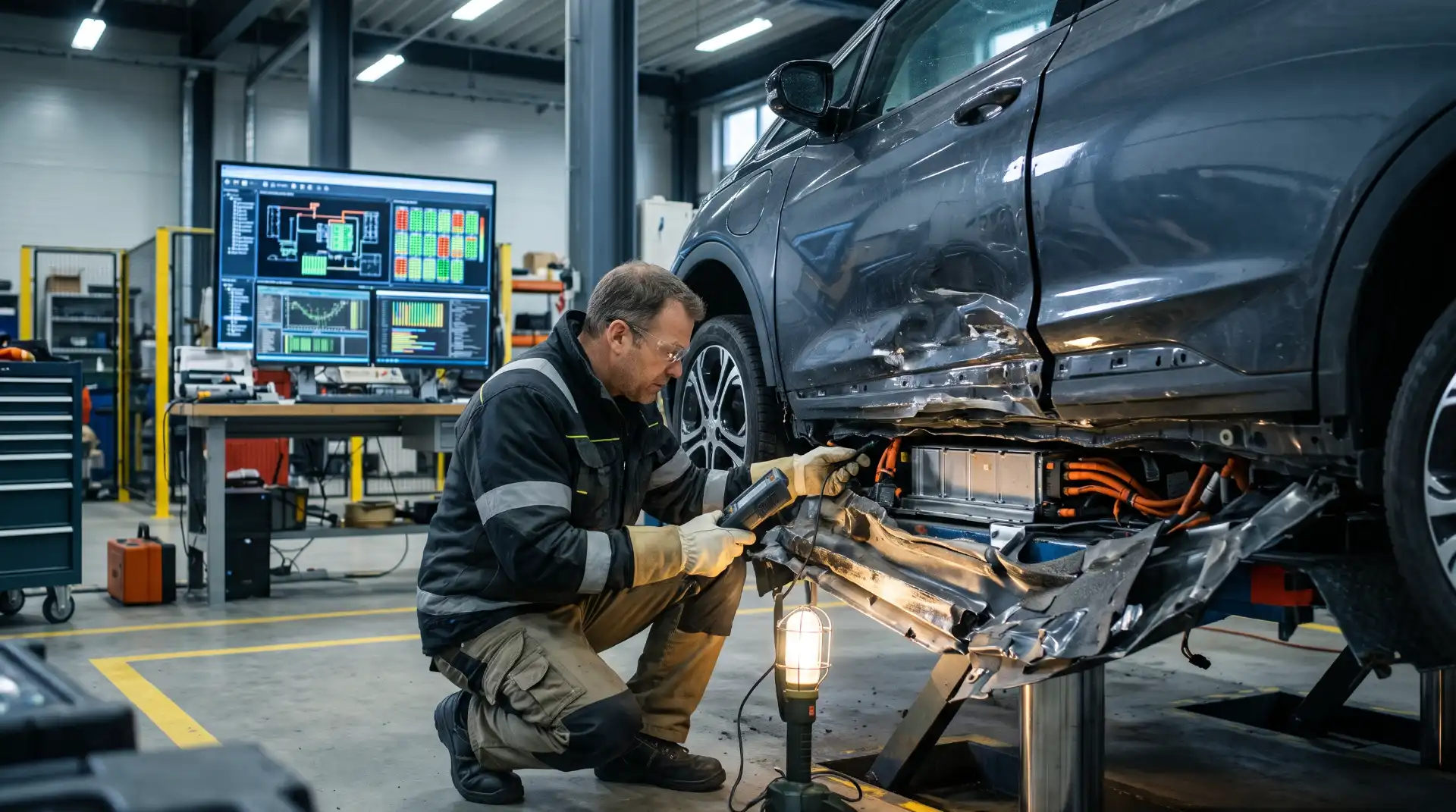
Experts may need to inspect the battery cells, module assembly, electrical connections, protective systems, and other evidence to determine what happened.
Design Defects in Battery and Charging Systems
A design defect may exist when the product’s basic design creates an unreasonable safety risk under applicable California product liability principles.
For example, investigators might examine whether a battery enclosure provides inadequate protection against foreseeable collision damage or whether a charging system lacks an appropriate protective feature.
Another investigation might consider whether the battery’s thermal-management design adequately addresses foreseeable operating conditions.
Design defect claims can be technically complicated because a product may have been manufactured exactly according to its specifications and still be challenged because of the design itself.
Experts may need to examine engineering specifications, safety testing, alternative designs, product performance, and the feasibility of potential safety improvements.
Failure to Provide Adequate Warnings
Manufacturers may also face allegations that warnings or instructions failed to communicate important safety risks.
An electric vehicle owner may need clear information about battery damage, charging limitations, warning indicators, water exposure, overheating, and when a vehicle should no longer be operated.
Charging equipment manufacturers may also need to provide appropriate instructions about installation, compatibility, operating conditions, and maintenance.
For example, if a manufacturer knows that a particular battery condition can create a serious fire risk but fails to provide adequate warnings about relevant symptoms or required safety precautions, the adequacy of those warnings may become part of a product liability investigation.
Whether a warning was legally inadequate depends on the circumstances, applicable law, and evidence.
Can a Software Defect Create Product Liability?
Modern EVs rely on software to monitor battery performance, control charging, regulate power delivery, and coordinate vehicle functions.
A software-related problem may therefore become important when a vehicle behaves unexpectedly.
For example, a battery-management system may fail to identify an abnormal temperature condition because of a software error. A charging controller may also respond incorrectly to information from a sensor.
Whether a software problem supports a product liability claim depends on the nature of the software, the alleged defect, the legal theory, and the connection between the problem and the injury.
A software update may also be relevant if a manufacturer issued a correction after identifying a safety issue.
Investigators should preserve information about the software version installed at the time of the accident and any relevant updates or service communications.
Real EV Battery and Charging Recalls: Why They Matter in Accident Claims
Electric vehicle battery defects are not merely hypothetical concerns. Federal safety investigations and manufacturer recalls have addressed problems involving battery overheating, charging components, electrical systems, and potential loss of propulsion.
These examples do not mean that every electric vehicle has a safety defect. They demonstrate why a serious accident involving an EV should be investigated carefully rather than automatically attributed to driver error.
2025 Jeep Plug-In Hybrid Battery Fire Recall
On November 4, 2025, NHTSA announced an expanded recall involving approximately 320,065 Jeep Wrangler and Grand Cherokee plug-in hybrid electric vehicles.
The agency reported that certain battery cells could have separator damage that might lead to a vehicle fire. Owners were instructed to park affected vehicles outside and avoid charging them until the necessary remedy was completed.
The recall notice also described previous battery-related fires and explained that an earlier remedy had not adequately detected certain abnormalities.
NHTSA
This example is important because it illustrates how a battery-related defect can create risks even when a vehicle is parked rather than being driven.
If a battery fire spreads to another vehicle or injures someone nearby, the resulting claim may involve product liability and property damage issues.
The recall itself does not establish liability for every incident involving an affected vehicle. Investigators would still need to determine whether the recalled defect caused the particular fire or injury.
Charging Control Unit Failures and Loss of Propulsion
Another example involves charging-control components.
As discussed earlier, NHTSA’s 2024 Kia EV6 recall notice identified a potential problem with the integrated charging control unit. The issue could interfere with charging the vehicle’s 12-volt battery and eventually lead to reduced or complete loss of drive power.
This type of defect illustrates an important difference between charging-related failures and battery fires.
A defective charging component does not necessarily cause a fire. It may instead interfere with the vehicle’s electrical operation and create a sudden loss-of-power hazard while driving.
In a resulting collision, investigators may need to examine the component, diagnostic records, warning messages, and vehicle data to determine whether the defect caused the loss of propulsion.
Why Recall Information Is Important but Not Conclusive
A recall can help identify a known safety issue, but it does not automatically establish that a particular accident resulted from that defect.
The affected vehicle identification number, component, model year, manufacturing period, and repair history must be checked.
For example, a vehicle might have an open battery recall but experience an accident caused by another driver’s unsafe lane change. In that situation, the battery recall may have no connection to the collision.
Alternatively, a vehicle may experience an unexpected loss of propulsion associated with a known charging-control problem, making the recall information particularly relevant.
NHTSA provides a vehicle recall search tool that allows owners to check safety recalls using a VIN or license plate where supported. The agency also accepts reports of suspected safety defects and publishes information about investigations and manufacturer communications.
NHTSA
For accident victims, checking the recall history is a useful investigative step, but the physical and electronic evidence must still establish what happened.
How to Prove a Defective EV Battery or Charging System Caused an Accident
Proving that an electric vehicle defect caused a collision can require more technical evidence than an ordinary car accident claim.
A driver might report that the vehicle suddenly lost power, displayed an electrical warning, or began producing smoke before the collision. Those observations are important, but they may not identify the exact component responsible.
A successful investigation may require a combination of vehicle inspection, electronic records, maintenance documentation, expert analysis, and traditional accident evidence.
Preserve the Electric Vehicle and Battery Components
The vehicle itself may contain the most important evidence.
If a battery, charging system, or electrical component is suspected of causing an accident, the vehicle should not be casually dismantled, repaired, sold, or discarded before the relevant evidence has been considered.
This is especially important when a battery pack is damaged.
The investigation may need to examine individual cells, modules, wiring, connectors, cooling systems, protective enclosures, and electronic control units.
Battery components may also contain evidence of overheating, electrical arcing, internal damage, or other failure patterns.
Because high-voltage EV systems can remain dangerous after a collision, vehicle inspection should be performed by appropriately trained professionals using suitable procedures and equipment.
An ordinary mechanical inspection may not be sufficient for a complicated battery defect claim.
Obtain Vehicle Diagnostic and Electronic Records
Modern electric vehicles contain electronic systems that may record useful information about vehicle operation and faults.
Depending on the manufacturer and vehicle model, relevant records may include:
-
Battery temperature and voltage information.
-
Charging activity and charging-system errors.
-
Electrical fault codes.
-
Power reduction or propulsion warnings.
-
Battery management system alerts.
-
Software versions and update history.
-
Motor and inverter performance information.
-
Relevant vehicle event data.
Not every vehicle stores the same information, and some records may be held in different electronic modules.
An investigation may therefore require manufacturer-specific diagnostic equipment and qualified technical specialists.
The timing of the information can be particularly important. Investigators may want to determine whether a warning appeared before the vehicle lost power, whether the battery temperature increased before a fire, or whether a charging fault was recorded before the accident.
Review Maintenance and Repair Records
Maintenance history can help determine whether a failure resulted from a defective component, improper repair, physical damage, or another cause.
Important documents may include dealership service records, battery replacement invoices, charging-system repairs, software-update receipts, warranty claims, inspection reports, and communications about previous electrical warnings.
Suppose an EV owner reports repeated charging interruptions before a highway accident. A dealership previously inspected the vehicle but did not identify the cause.
Those service records could become relevant if the same charging-related problem later causes a loss of propulsion.
Investigators may also examine whether the owner ignored warnings or whether the vehicle was operated despite instructions not to drive it.
The existence of a maintenance issue does not automatically eliminate a product liability claim. However, the vehicle’s history may affect how responsibility is evaluated.
Preserve Charging Station Records
When an accident involves public charging equipment, the charging station’s records may become important.
Many charging systems maintain electronic information about charging sessions, connection events, equipment faults, interruptions, and other operating conditions.
Depending on the equipment, relevant information may include the charging start and end times, power delivery, fault codes, connector temperature warnings, and maintenance reports.
For example, a driver may report that a public charger repeatedly displayed an overheating warning before an electrical incident.
The station operator’s maintenance history and equipment records could help determine whether the problem was known and whether the charger was operating properly.
Charging-session records should be requested promptly when they may be relevant because retention periods and access procedures can vary.
Examine Dashcam and Surveillance Footage
Video evidence can help establish what happened before and after a battery-related accident.
A dashcam may show that an EV slowed unexpectedly, stopped in a travel lane, produced smoke, or displayed unusual behavior before a collision.
Parking garage cameras may capture a battery fire developing while a vehicle is charging. Nearby businesses or traffic cameras may also provide footage of a vehicle losing power or becoming disabled on a roadway.
Video does not necessarily identify the defective component, but it can establish the timing and circumstances of the incident.
It may also help distinguish a collision caused by another motorist from a mechanical failure that occurred first.
Use Accident Reconstruction and Engineering Experts
Serious EV defect cases may require more than one type of expert.
An accident reconstruction specialist can analyze vehicle movements, speeds, impact locations, braking, roadway conditions, and the sequence of collisions.
An automotive electrical engineer may examine the charging system, battery-management system, wiring, power electronics, and diagnostic records.
A battery specialist may investigate cell damage, thermal events, battery enclosure failures, and possible manufacturing problems.
These experts may work together to determine whether a defect existed before the accident and whether it contributed to the resulting injuries.
For example, an accident reconstruction specialist may establish that a vehicle experienced a sudden loss of propulsion before being struck from behind. An electrical engineer may then examine whether a defective integrated charging control unit caused the loss of power.
The combination of physical and electronic evidence can be much stronger than relying on a driver’s recollection alone.
Investigate Previous Complaints and Safety Communications
A manufacturer may have received complaints involving similar vehicle problems before the accident.
Relevant information may include customer complaints, technical service bulletins, recall notices, warranty records, safety investigations, and communications about known component failures.
These materials can help investigators determine whether the manufacturer knew about a recurring problem and what steps were taken to address it.
However, a prior complaint does not automatically establish that the same defect caused the accident.
The vehicle, component, symptoms, and failure mechanism must be compared carefully.
What If the EV Battery Catches Fire After a Crash?
An electric vehicle fire can create additional safety concerns because high-voltage battery systems may remain energized after a collision.
Battery damage can also create the possibility of delayed heating, smoke, or renewed fire activity.
NHTSA advises people to treat damaged high-voltage batteries and associated components as energized and potentially dangerous. The agency also warns that physical damage may cause immediate or delayed release of hazardous gases or fire.
NHTSA
This makes the post-accident response particularly important.
If a vehicle is smoking, burning, or showing signs of a battery emergency, people should move away, avoid touching exposed electrical components, and contact emergency services.
They should not attempt to open or repair a damaged high-voltage battery.
For legal purposes, investigators may need to determine whether the fire began because of the original collision, a preexisting battery defect, damage to the battery enclosure, or another electrical problem.
The distinction can affect which parties may be responsible.
Can a Battery Fire Injure People Outside the EV?
Yes. A battery-related fire can potentially affect people who were not inside the electric vehicle.
A fire in a parking structure may expose residents, workers, visitors, or emergency responders to smoke and other hazards. It may also damage neighboring vehicles and surrounding property.
A roadside fire may create dangers for nearby motorists, pedestrians, and people attempting to assist the occupants.
Depending on the circumstances, people who suffer injuries or property losses may have claims against parties whose defective products or negligent conduct caused the incident.
Who Pays for Damage to Nearby Vehicles?
If a defective battery causes a fire that spreads to nearby vehicles, the affected owners may have several potential avenues for compensation.
Their own insurance policies may provide coverage for vehicle damage, depending on the type of coverage and applicable terms.
They may also have a potential claim against the vehicle manufacturer, battery supplier, charging equipment manufacturer, or another responsible party if a defective product caused the fire.
Determining which claim is appropriate requires identifying the source of the fire and establishing the connection between the alleged defect and the property damage.
An insurance payment does not necessarily resolve every possible product liability issue. Depending on the circumstances, an insurer that pays a covered loss may also pursue recovery from a responsible party through subrogation.
Can a Charging Station Company Be Sued After an EV Accident?
A charging station company may face legal responsibility if defective equipment, improper maintenance, or negligent operation contributes to an accident or injury.
However, it is important to distinguish between different types of charging-related incidents.
A defective charging connector that causes an electrical fire while a vehicle is parked presents a different legal situation from a vehicle that suddenly loses propulsion while traveling on a highway.
In the first situation, the charging equipment itself may be the direct source of the hazard. In the second, investigators may need to establish whether the charging system affected the vehicle’s ability to operate safely.
Defective Public Charging Stations
Public charging stations contain electrical components that must operate safely under their intended conditions.
Potential problems may involve damaged cables, overheated connectors, faulty protective devices, internal wiring, or malfunctioning control systems.
A charging station operator may also have responsibilities for inspecting equipment and responding to reports of dangerous conditions.
For example, suppose a charging station has received repeated reports that a particular connector becomes unusually hot during charging. The operator fails to remove it from service, and a later incident results in a fire.
The investigation may examine whether the operator knew about the hazard, whether appropriate maintenance was performed, and whether the equipment manufacturer supplied a defective product.
Improper Home Charging Installation
Home charging equipment creates another possible source of liability.
The U.S. Department of Energy explains that Level 2 charging equipment generally requires appropriate electrical capacity and that installations must comply with relevant codes and permitting requirements. It recommends using certified equipment and qualified electrical contractors.
afdc.energy.gov
If an electrical contractor performs an installation incorrectly and the work causes an electrical fire or other injury, the contractor may face a negligence claim.
The property owner may also become relevant if the owner knowingly maintains a dangerous electrical condition or fails to address a hazard for which they have responsibility.
The exact legal analysis depends on the installation, the parties involved, and applicable California law.
California Comparative Negligence in Electric Vehicle Accident Claims
California follows a pure comparative negligence system. This means that an injured person may recover damages even when they are partially responsible for an accident, although their compensation can be reduced according to their share of fault.
This principle can become important in EV accidents involving multiple drivers, vehicle defects, and charging-related problems.
Consider a situation in which an electric vehicle loses propulsion because of a defective charging-control component while traveling on a San Francisco freeway. A second driver approaches too quickly and crashes into the disabled vehicle.
An investigation might determine that the component defect was responsible for 70% of the circumstances leading to the accident, while the approaching driver was 30% responsible because of an unsafe following distance.
If the injured person’s recoverable damages were $200,000 and the relevant allocation of responsibility resulted in a 30% reduction, the potential recovery would be $140,000.
This is only an illustrative calculation. Actual liability allocation depends on the evidence, applicable legal theories, and the parties involved.
Comparative fault may also become relevant if the EV driver ignored a serious dashboard warning, continued operating a vehicle after being instructed not to drive it, or failed to follow reasonable safety precautions.
However, the presence of some driver responsibility does not necessarily eliminate a manufacturer’s potential liability for a defective product.
California’s pure comparative negligence principle was established by the California Supreme Court in Li v. Yellow Cab Co.
What Compensation Can You Recover After an EV Battery or Charging System Accident?
When a defective electric vehicle component causes an accident, injured people may be entitled to pursue compensation for different categories of losses.
The available damages depend on the injuries, property damage, legal claims, insurance coverage, and evidence establishing responsibility.
Medical Expenses and Future Treatment
Medical expenses can represent a substantial portion of an electric vehicle accident claim.
Depending on the injuries, compensation may include emergency transportation, hospital treatment, surgery, diagnostic imaging, prescription medication, physical therapy, rehabilitation, and other necessary medical services.
Battery-related fires may also create additional medical issues, including burn injuries and respiratory problems associated with smoke exposure.
Some injuries require long-term treatment. A person who suffers serious burns or orthopedic injuries may need multiple procedures, rehabilitation, and continuing medical care.
Future medical expenses may also be considered when supported by appropriate medical evidence.
Lost Wages and Reduced Earning Capacity
An accident involving a defective EV battery or charging system may prevent an injured person from working.
Someone recovering from surgery may be unable to return to work for weeks or months. A person with permanent physical limitations may also experience a reduced ability to earn income in the future.
Compensation may include qualifying lost wages, employment benefits, and diminished future earning capacity.
Employment documentation, pay records, tax information, and appropriate expert evaluations can help establish these losses.
Pain and Suffering
California personal injury claims may also include noneconomic damages.
These can involve physical pain, emotional distress, inconvenience, loss of enjoyment of life, and other effects associated with an injury.
For example, someone who survives a serious EV battery fire may experience lasting physical injuries and emotional distress. The impact can extend well beyond the initial accident.
The value of these damages depends on the severity of the injuries and the evidence supporting the claim.
Vehicle Replacement and Property Damage
A defective battery or charging component may destroy an electric vehicle or make it too dangerous or expensive to repair.
Compensation may include qualifying vehicle repair costs, replacement value, towing, storage, and damage to personal property.
If a battery fire spreads to another vehicle or building, property owners may also pursue compensation for their losses when the legal requirements are satisfied.
What Should You Do After an Electric Vehicle Accident Involving a Suspected Defect?
The actions taken immediately after an EV accident can affect both personal safety and the ability to investigate a potential product liability claim.
Electric vehicles contain high-voltage components that require specialized handling, particularly when the battery pack has been damaged.
1. Prioritize Safety and Contact Emergency Services
If an accident results in injuries, smoke, fire, or an electrical hazard, contact emergency services.
People should move away from a damaged vehicle if there are signs of battery overheating, smoke, or fire. Do not touch exposed electrical wiring or attempt to inspect a damaged battery pack.
A damaged EV battery may remain hazardous even after the vehicle has stopped operating.
2. Obtain Medical Attention
Anyone experiencing symptoms after an EV accident should obtain appropriate medical evaluation.
Burns, respiratory irritation, fractures, head injuries, and other trauma may require immediate attention.
Even when injuries initially appear minor, medical documentation can help establish the relationship between the collision and subsequent treatment.
3. Photograph the Vehicle and Accident Scene
When it is safe to do so, photographs can help preserve important evidence.
Useful images may include vehicle damage, the charging port, visible electrical damage, dashboard warnings, charging equipment, nearby vehicles, roadway conditions, and the overall accident location.
If the incident occurred at a charging station, document the station’s identification number, connector, equipment condition, and surrounding area when possible.
4. Preserve Charging and Maintenance Records
Keep receipts, charging-session records, repair invoices, dealership communications, warranty information, recall notices, and software-update documentation.
These records may help establish whether the vehicle had previous electrical problems or whether a charging station had experienced earlier malfunctions.
5. Avoid Premature Vehicle Repairs or Disposal
If a defective battery or electrical component may have caused the accident, preserving the vehicle can be critical.
Replacing the battery, dismantling electrical components, or disposing of the vehicle before an appropriate inspection may destroy important evidence.
Any necessary emergency safety measures should be handled by qualified personnel, with reasonable efforts to document and preserve relevant components.
6. Preserve Witness and Video Evidence
Witnesses may have observed smoke, unusual vehicle behavior, sudden power loss, or the events leading to a collision.
Dashcam footage, parking garage recordings, charging station video, and nearby surveillance footage may also provide useful information.
Because video recordings can be overwritten, identifying potential sources early can be important.
For a broader checklist covering the immediate steps after a collision, see your existing guide, What to Do After a Car Accident in San Francisco: A Step-by-Step Guide.
How Insurance Companies Handle Electric Vehicle Defect Claims
Insurance claims involving defective EV components can be complicated because several policies and potentially responsible parties may be involved.
A driver’s personal auto insurance may cover certain collision-related losses, depending on the policy. A commercial charging station may have separate liability coverage. The vehicle manufacturer and component suppliers may also have insurance arrangements relevant to a product liability claim.
However, determining which insurer should pay is not always straightforward.
Auto Insurance Coverage
Collision coverage may help pay for qualifying damage to the insured vehicle, subject to the policy terms and deductible.
Comprehensive coverage may apply to certain losses involving fire or other covered events, depending on the circumstances and policy language.
Liability insurance may become relevant when an insured person is legally responsible for injuries or property damage suffered by someone else.
The availability of these coverages does not automatically determine whether a manufacturer is legally responsible for a defective product.
Product Liability Insurance
Vehicle manufacturers, component suppliers, and charging equipment companies may maintain commercial insurance covering certain product-related claims.
If a defective battery or charging system causes an accident, an injured person may pursue a claim against a responsible manufacturer or another party.
The insurer may investigate whether the product was defective, whether the defect caused the incident, and whether the claimant’s injuries are supported by the evidence.
Why Insurance Companies May Dispute Responsibility
Different parties may offer competing explanations for the same incident.
The vehicle manufacturer may argue that the battery was damaged during a collision. The battery supplier may argue that the problem originated in another electrical component. The charging station operator may claim that the vehicle’s onboard charging system caused the malfunction.
These disagreements can make the investigation more complicated.
A thorough technical examination may be necessary to identify the actual source of the failure.
For additional information about insurance disputes, see your existing article on How Insurance Companies Try to Undervalue Your Claim — and How to Fight Back.
How Long Do You Have to File an EV Product Liability Lawsuit in California?
California generally provides a two-year deadline for filing a personal injury lawsuit under Code of Civil Procedure Section 335.1.
The deadline generally applies to claims involving injuries caused by another party’s wrongful act or negligence. However, product liability claims may involve additional legal considerations, and the applicable deadline should be evaluated based on the particular claim.
Property damage claims generally have a different limitations period. Claims involving government entities may also have substantially shorter administrative deadlines.
There can be additional complications when the injured person does not immediately discover the suspected product defect or when a manufacturer, repair facility, or charging equipment provider becomes involved.
It is therefore important not to assume that insurance negotiations, vehicle repairs, or ongoing technical investigations automatically extend the time available to file a lawsuit.
For general information about California filing deadlines, the California Courts’ statute of limitations guide provides an overview of common civil claim deadlines.
How a San Francisco Auto Accident Attorney Can Help
An electric vehicle accident involving a suspected battery or charging defect may require a more specialized investigation than a conventional car accident.
A San Francisco auto accident attorney may help identify potentially responsible parties, preserve important evidence, review insurance coverage, and determine whether a product liability claim is appropriate.
One of the first steps may involve identifying the exact vehicle model, battery system, charging equipment, and component suspected of causing the incident.
This information can help guide recall research and determine whether previous safety complaints or technical investigations may be relevant.
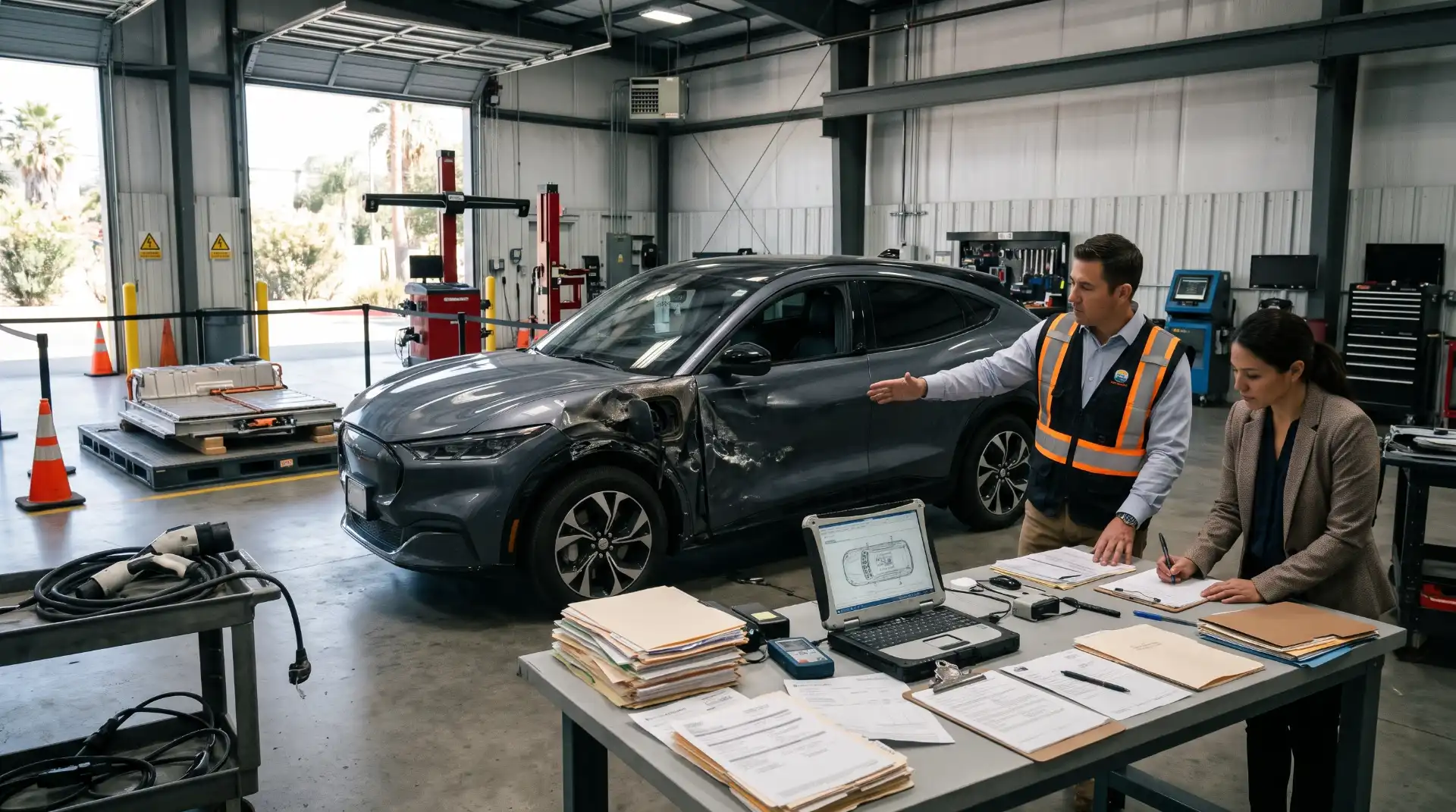
An attorney may also work with qualified automotive engineers, battery specialists, and accident reconstruction experts to examine the physical and electronic evidence.
This is particularly important when the manufacturer argues that the battery was damaged during the collision rather than causing the accident.
A technical investigation may help determine whether the component failed before impact, whether the vehicle experienced an electrical warning, and whether the failure contributed to the resulting injuries.
An attorney may also investigate the vehicle’s repair history, charging records, previous warnings, and any recall-related communications.
If a charging station or electrical contractor was involved, the investigation may need to examine equipment records, maintenance documentation, installation procedures, and applicable safety requirements.
Your website also covers broader technology-related liability questions in its article on San Francisco Autonomous Vehicle Accidents: Who Is Liable When a Robotaxi Causes a Crash?. That discussion provides additional context about how vehicle technology can complicate accident investigations and potentially involve manufacturers and technology providers.
Frequently Asked Questions About Electric Vehicle Battery and Charging Accidents
Can I sue a car manufacturer if a defective EV battery causes an accident?
Yes, potentially. If a defective battery, charging component, or electrical system causes an accident and resulting injuries, the manufacturer may face a product liability claim. The injured person generally needs evidence establishing a legally actionable defect and a connection between that defect and the harm.
Who pays if an electric vehicle battery catches fire and damages another car?
The answer depends on what caused the fire. Potentially responsible parties may include the vehicle manufacturer, battery manufacturer, charging equipment manufacturer, or another party whose negligence contributed to the incident. The damaged vehicle owner’s insurance may also provide coverage depending on the policy.
Can a defective EV charging station cause a car accident?
A defective charging station can create electrical hazards, overheating, fire, or equipment-related damage. A charging-related malfunction may also affect the vehicle’s electrical system. Whether the incident supports an accident or product liability claim depends on the specific failure and resulting harm.
Can I sue if my electric vehicle suddenly loses power while driving?
Potentially. If a defective battery component, charging-control unit, electrical system, or another vehicle component causes an unexpected loss of propulsion that results in a collision, an injured person may have grounds to investigate a product liability claim.
Is the battery manufacturer responsible if an EV battery overheats?
Not automatically. The battery manufacturer may face liability if a manufacturing defect or another legally actionable product problem caused the overheating. Investigators must determine whether the failure originated in the battery cells, battery pack, vehicle controls, charging equipment, or another component.
What if a charging station installation caused an electrical fire?
The installation contractor may face a negligence claim if improper electrical work caused the fire. The equipment manufacturer or property owner may also become relevant depending on the source of the hazard and the parties’ responsibilities.
Does an EV battery recall prove that the manufacturer is responsible?
No. A recall can provide important evidence of a known safety issue, but it does not automatically prove that the recalled defect caused a particular accident. Investigators must establish the connection between the specific defect and the incident.
Can I sue if a defective EV battery injures someone who was not inside the vehicle?
Yes, potentially. Pedestrians, other motorists, cyclists, passengers in nearby vehicles, and people whose property is damaged may have claims when a defective EV battery or charging component causes injury or property damage.
What evidence is important after an electric vehicle battery accident?
Important evidence may include the damaged vehicle, battery components, charging equipment, electronic diagnostic records, battery-management system information, charging-session records, maintenance documents, recall notices, photographs, surveillance footage, witness statements, and expert analysis.
Should I check for EV recalls after an accident?
Yes. Checking the vehicle’s VIN through NHTSA’s recall database can help identify relevant safety recalls and investigations. However, recall information should be evaluated alongside the physical evidence and circumstances of the accident.
Conclusion: Who Pays When a Defective EV Battery or Charging System Causes an Accident?
Electric vehicles introduce new product safety and liability questions that can make certain accidents more complicated than conventional motor vehicle collisions.
A defective battery cell, battery-management system, charging-control unit, electrical connector, charging station, or improperly installed charging system may contribute to a fire, loss of propulsion, or another dangerous malfunction. When that failure results in an accident, responsibility may extend beyond the driver.
Depending on the circumstances, potentially responsible parties may include the vehicle manufacturer, battery supplier, charging equipment manufacturer, charging station operator, electrical contractor, repair facility, property owner, or another negligent motorist.
Determining who should pay requires a careful investigation of the actual cause of the incident. A battery fire does not automatically establish a product defect, and a vehicle that suddenly loses power does not necessarily prove that the manufacturer was negligent. The evidence must establish what failed, why it failed, and how that failure contributed to the injuries or property damage.
For people injured in San Francisco electric vehicle accidents, preserving the vehicle, battery components, charging equipment, electronic records, maintenance documents, and available video footage can be particularly important.
As electric vehicles become a larger part of everyday transportation, understanding product liability and charging-system safety will remain important for drivers, passengers, pedestrians, and other people affected by EV-related accidents.
If you or someone you love has been injured in an electric vehicle accident involving a suspected defective battery or charging system, understanding the potential sources of liability can be an important step toward protecting your legal rights and pursuing compensation.
Disclaimer: This article provides general educational information about electric vehicle safety, California product liability law, and personal injury claims. It is not legal advice and does not establish an attorney-client relationship. Liability and compensation depend on the specific facts, available evidence, applicable insurance policies, and current law.