
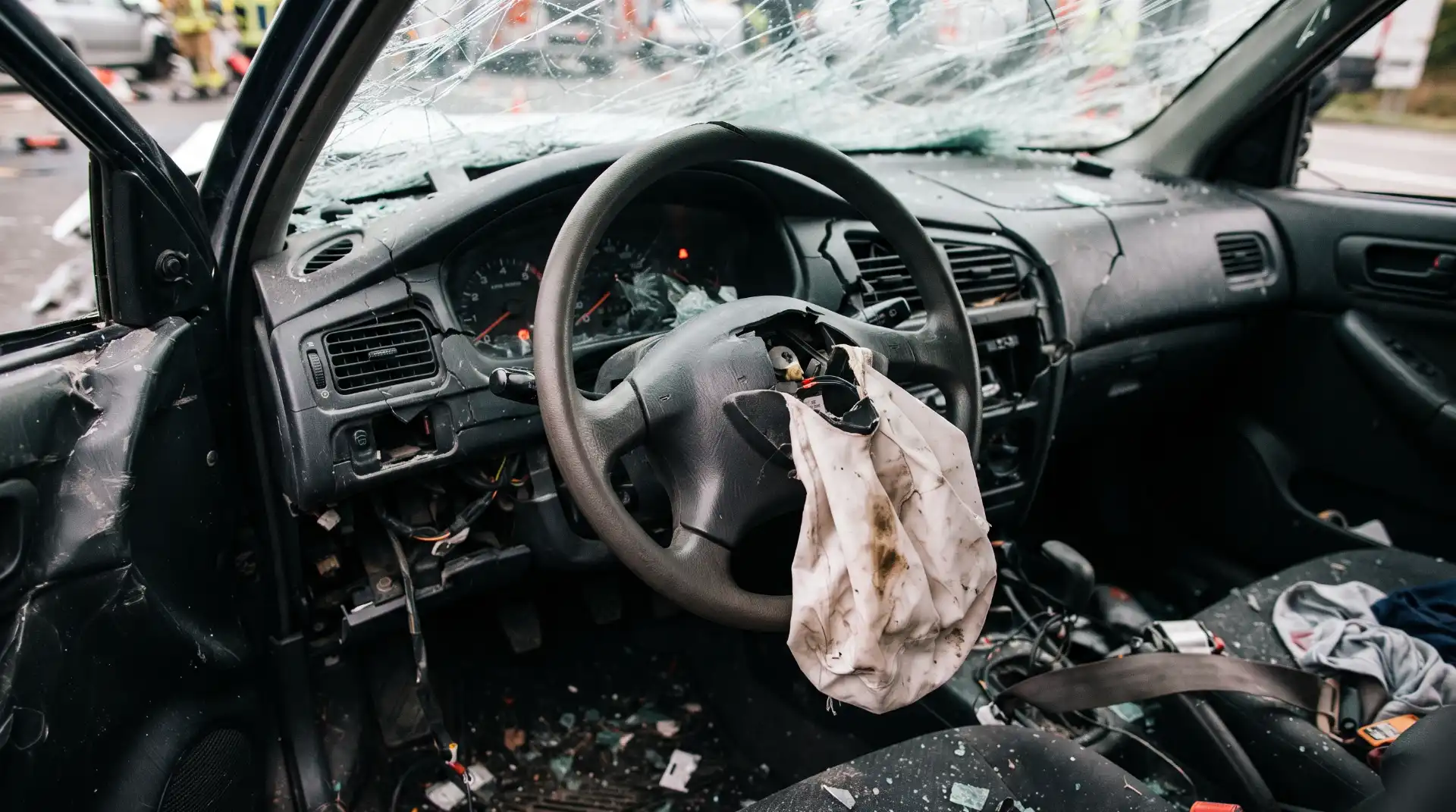
Modern vehicles include dozens of advanced safety features, but few are as important during a collision as the airbag system. Airbags are designed to work alongside seat belts to reduce the force of impact and help protect occupants from striking the steering wheel, dashboard, windshield, or other hard surfaces inside the vehicle. When they function properly, airbags have been credited with saving thousands of lives and reducing the severity of injuries in crashes throughout the United States.
Unfortunately, airbags do not always perform as intended. Some fail to deploy during serious collisions, while others deploy unexpectedly or with excessive force. An airbag malfunction can leave drivers and passengers vulnerable to severe injuries that might otherwise have been prevented. If you or a loved one suffered injuries after an airbag failed during a car accident, understanding your legal rights is an important first step.
This guide explains why airbags sometimes fail, how these failures affect injury claims in California, what evidence should be preserved, and when a defective airbag could lead to a product liability lawsuit in addition to a personal injury claim.
How Airbags Are Supposed to Work
Modern airbag systems rely on a network of sensors that constantly monitor vehicle speed, direction, impact angle, and deceleration. During a qualifying collision, these sensors communicate with an electronic control unit that determines whether deployment is necessary.
If deployment is warranted, a gas inflator rapidly fills the airbag, allowing it to cushion the occupant before their body strikes interior components of the vehicle. The entire process usually occurs in less than a fraction of a second.
Although airbags provide significant protection, they are designed to complement seat belts rather than replace them. The National Highway Traffic Safety Administration (NHTSA) continues to emphasize that wearing a seat belt remains the most effective way to reduce the risk of serious injury during a crash.
Learn more about airbag safety from the National Highway Traffic Safety Administration.
Can an Airbag Fail Without Anyone Being at Fault?
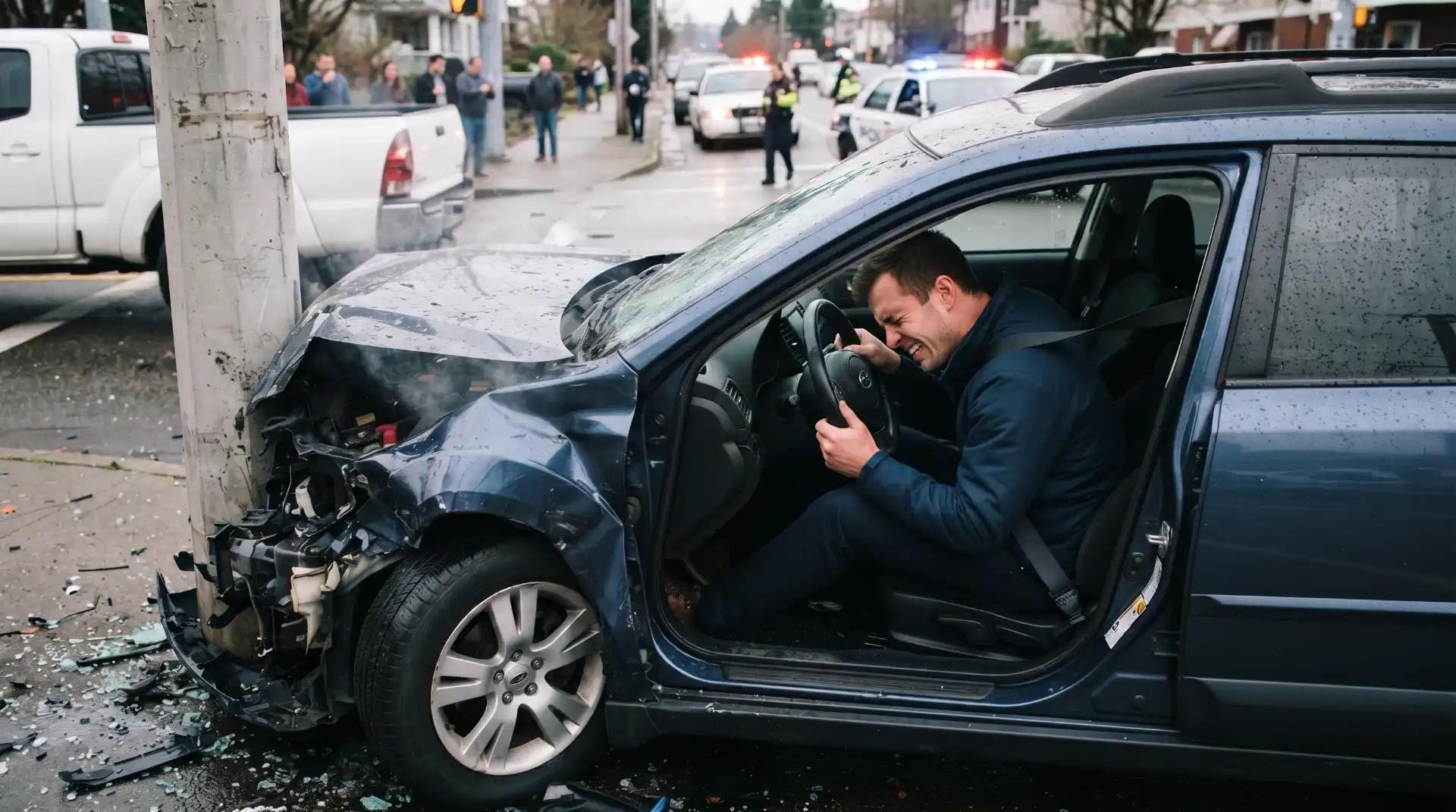
Not every airbag that fails to deploy indicates a manufacturing defect. Airbags are designed to activate only under specific crash conditions. A relatively low-speed impact, a collision at an unusual angle, or a crash that does not meet deployment thresholds may result in airbags remaining undeployed even when vehicle damage appears significant.
However, when a collision clearly meets the conditions under which airbags should have activated, investigators may examine whether a defect contributed to the failure. In some cases, the issue may involve faulty sensors, defective inflators, damaged wiring, software errors, or prior repairs that affected the supplemental restraint system.
Common Reasons Airbags Fail to Deploy
Airbag failures can occur for many reasons. Manufacturing defects may prevent sensors from detecting a collision correctly. Electrical failures may interrupt communication between crash sensors and the control module. Components may deteriorate over time due to corrosion or water intrusion, while improper repairs after previous accidents can also interfere with proper operation.
Some vehicles have been subject to major recalls involving defective inflators, faulty seat belt pretensioners, or electronic control systems. Vehicle owners should periodically check whether their vehicle is affected by any open recalls through the NHTSA recall database.
You can search for recalls by Vehicle Identification Number (VIN) on the NHTSA Recall Lookup.
When Airbags Deploy Incorrectly
Airbag failures are not limited to situations where they fail to deploy. Sometimes airbags deploy unexpectedly without a crash, inflate with excessive force, or deploy too late to provide meaningful protection. These malfunctions can also cause injuries.
Drivers have reported facial fractures, burns, eye injuries, hearing damage, broken wrists, and chest trauma associated with abnormal deployments. While airbags are intended to reduce injuries overall, an improperly functioning system can become an additional source of harm.
Common Injuries Associated with Airbag Failures
When airbags fail during a serious collision, occupants may experience significantly greater forces than the vehicle’s safety systems were designed to absorb. This often leads to injuries that are more severe than they otherwise might have been.
Victims frequently suffer traumatic brain injuries, facial fractures, spinal cord injuries, broken ribs, internal bleeding, shoulder injuries, neck trauma, severe lacerations, orthopedic injuries, and long-term neurological complications. Recovery may require surgery, rehabilitation, and months or even years away from work.
The Insurance Institute for Highway Safety provides extensive research regarding occupant protection and crash safety at IIHS.org.
Who May Be Liable for an Airbag Failure?
Liability depends on the circumstances surrounding the crash. In many situations, the negligent driver who caused the collision remains responsible for the accident itself. However, if a defective airbag contributed to the severity of the injuries, another party may also share legal responsibility.
Potentially responsible parties could include the vehicle manufacturer, airbag manufacturer, component suppliers, repair facilities that improperly serviced the vehicle, or other companies involved in the design or maintenance of the restraint system.
California law sometimes allows injured individuals to pursue both a negligence claim against the at-fault driver and a product liability claim against companies responsible for defective automotive components.
Understanding Product Liability in California
California recognizes product liability claims involving defective consumer products. Depending on the facts, a claim may involve allegations that a product contained a manufacturing defect, suffered from a design defect, or lacked adequate warnings or instructions.
Unlike ordinary negligence claims, product liability cases often require detailed engineering analysis, accident reconstruction, expert testimony, and extensive review of vehicle data. These cases can become significantly more complex than a standard car accident claim because they involve technical evidence concerning vehicle design and performance.
The California Courts provide general information about civil lawsuits at California Courts Self-Help.

Evidence That May Help Prove an Airbag Defect
Preserving evidence is often critical following any serious collision involving suspected airbag failure. If possible, avoid repairing, selling, or disposing of the vehicle before it has been thoroughly documented and inspected. In many cases, the vehicle itself becomes one of the most important pieces of evidence.
Investigators may examine photographs of the collision scene, police reports, vehicle damage, airbag control module data, event data recorder information, maintenance records, recall history, repair invoices, witness statements, medical records, and diagnostic reports. Depending on the circumstances, engineers may also inspect crash sensors, wiring harnesses, electronic control modules, and the airbag inflator.
Many newer vehicles contain electronic data that can help reconstruct the events leading up to a collision. This information may provide insight into vehicle speed, braking, seat belt usage, and other operational details immediately before impact.
How Medical Records Can Support Your Claim
Medical documentation often becomes one of the strongest forms of evidence after a collision. Emergency room records, imaging studies, physician evaluations, rehabilitation notes, and ongoing treatment records help establish the nature and extent of injuries. Seeking prompt medical evaluation also creates a timeline that may connect injuries to the collision.
Even if symptoms appear minor immediately after the crash, some injuries—including concussions, internal bleeding, and soft tissue damage—may not become fully apparent until hours or days later. Following your healthcare provider’s recommendations can help protect both your health and the documentation associated with your claim.
Insurance Companies May Dispute Airbag Failure Claims
Insurance companies sometimes argue that an airbag system functioned properly because the collision did not meet deployment criteria. In other cases, insurers may contend that injuries were unrelated to the airbag failure or resulted from pre-existing conditions.
Product manufacturers may likewise dispute allegations of a defect by asserting that the restraint system complied with applicable safety standards or that prior damage, improper repairs, or lack of maintenance contributed to the malfunction. Resolving these disputes often requires technical analysis and expert opinions.
Can You File Both an Injury Claim and a Product Liability Claim?
In some situations, yes. The driver who caused the collision may remain legally responsible for causing the accident, while a manufacturer or supplier may also be responsible if a defective airbag increased the severity of the injuries.
Whether multiple claims are appropriate depends on the specific facts of the case, including how the collision occurred, whether the restraint system malfunctioned, and what evidence supports the existence of a defect. An attorney may evaluate potential claims against all responsible parties.
What Should You Do After Suspecting an Airbag Failure?
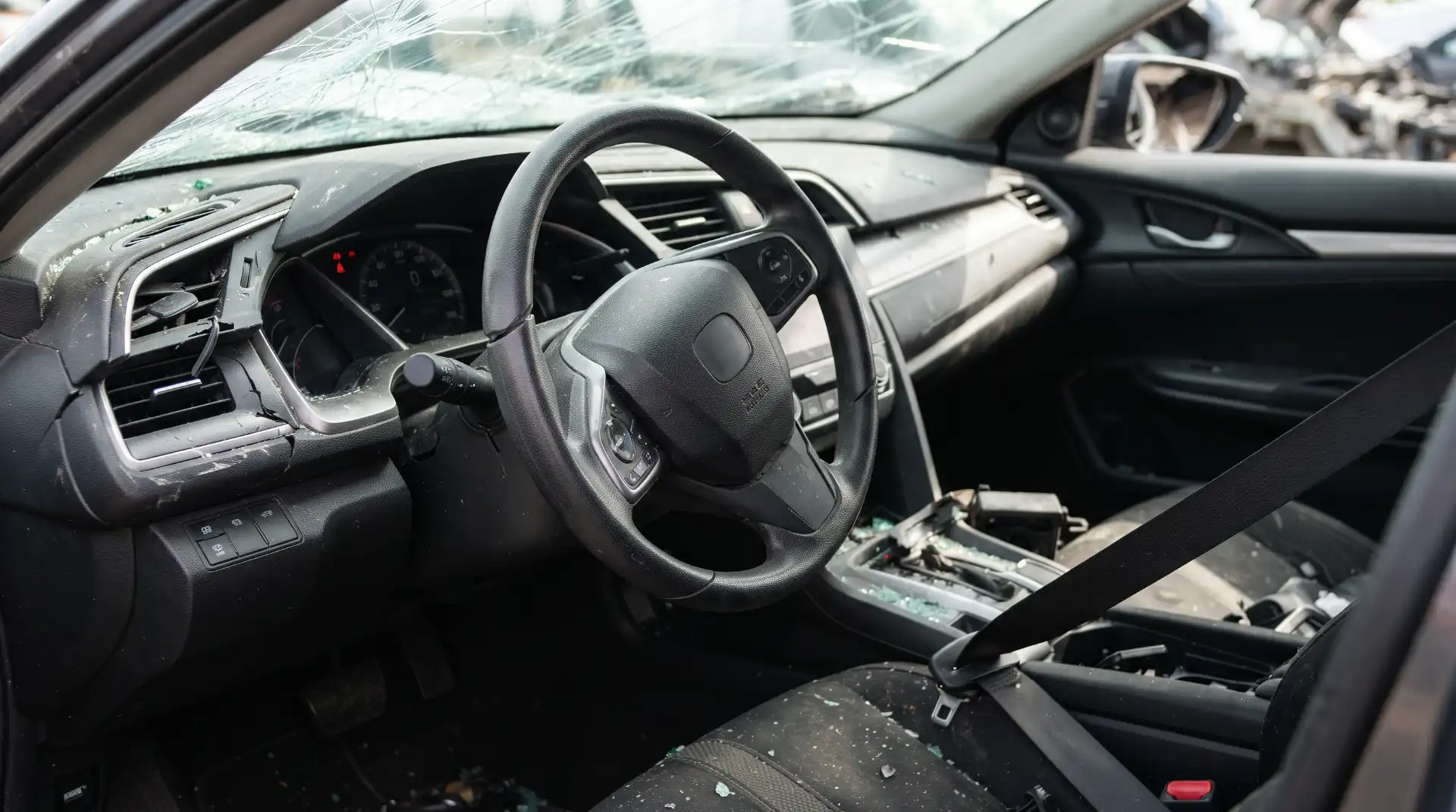
If you believe an airbag failed during a collision, prioritize your medical care and follow all treatment recommendations. If possible, preserve the vehicle in its post-collision condition, gather photographs of the interior and exterior, retain maintenance records, and avoid authorizing repairs until appropriate inspections have been completed.
It may also be helpful to obtain the police report, identify witnesses, preserve dash camera footage if available, and keep documentation of all accident-related expenses. These records may become valuable if questions later arise regarding how the restraint system performed during the crash.
Why Legal Guidance Can Be Important
Cases involving suspected automotive defects often require collaboration among accident reconstruction specialists, engineers, medical professionals, and other experts. Determining whether an airbag should have deployed is rarely straightforward and frequently depends on technical evidence that is unavailable immediately after the collision.
An attorney can help identify potentially responsible parties, preserve evidence, communicate with insurers, coordinate expert evaluations when appropriate, and explain the legal options available under California law. Because every case is different, obtaining individualized legal advice can help you better understand your rights.
Conclusion
Airbags are intended to reduce the risk of serious injury, but they are not infallible. When an airbag fails to deploy or otherwise malfunctions during a collision, the consequences can be severe. Determining whether the failure resulted from normal operating conditions, improper repairs, or a defective component often requires a careful investigation supported by technical evidence.
If you were injured in a California car accident involving a suspected airbag failure, preserving evidence and seeking experienced legal guidance may help you better understand your options. Every collision presents unique circumstances, and a thorough investigation is often essential to identifying all potentially responsible parties.