
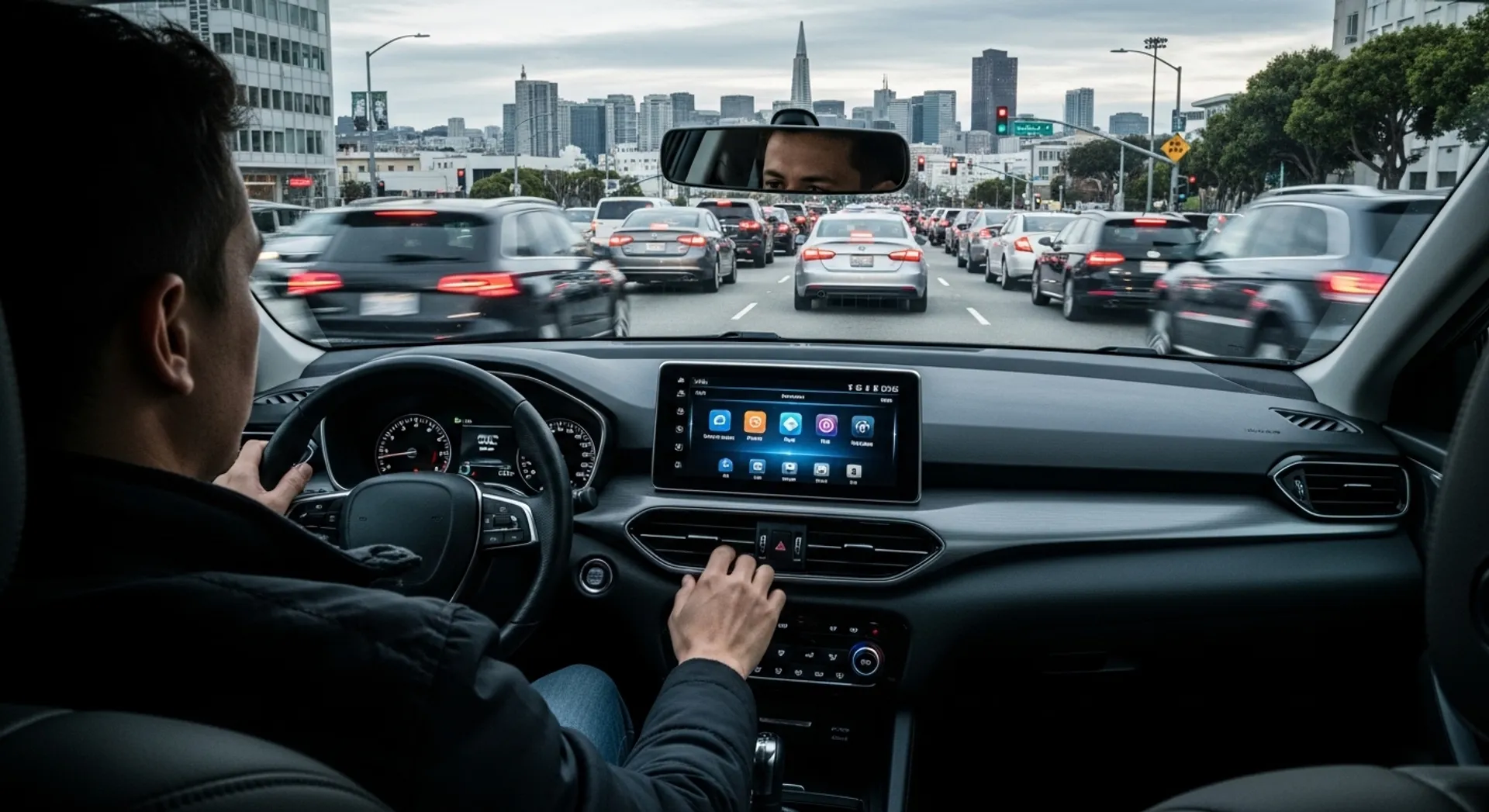
Distracted driving remains one of the most preventable causes of serious car accidents in San Francisco. Many drivers still think distraction only means texting. That is outdated thinking. Modern distraction also includes using in-dash touchscreens, car apps, navigation menus, voice features, streaming controls, and other digital systems that pull a driver’s eyes and mind away from the road.
In a city like San Francisco, that risk gets worse fast. Drivers deal with dense traffic, pedestrians, cyclists, transit vehicles, steep streets, short blocks, double-parked cars, and sudden stops. A driver who looks down for only a few seconds can miss a red light, fail to yield, rear-end another vehicle, or strike someone in a crosswalk. These collisions often lead to painful injuries, expensive medical care, and complicated insurance disputes.
Distracted driving car accidents in San Francisco also create major legal questions. Was the driver texting? Were they looking at a touchscreen? Did they miss traffic because they were adjusting a route or music setting? These details matter because they can help prove negligence and strengthen an injury claim. If you were hurt in one of these crashes, understanding how distraction affects fault and compensation can make a real difference.
Why Distracted Driving Causes So Many Crashes in San Francisco
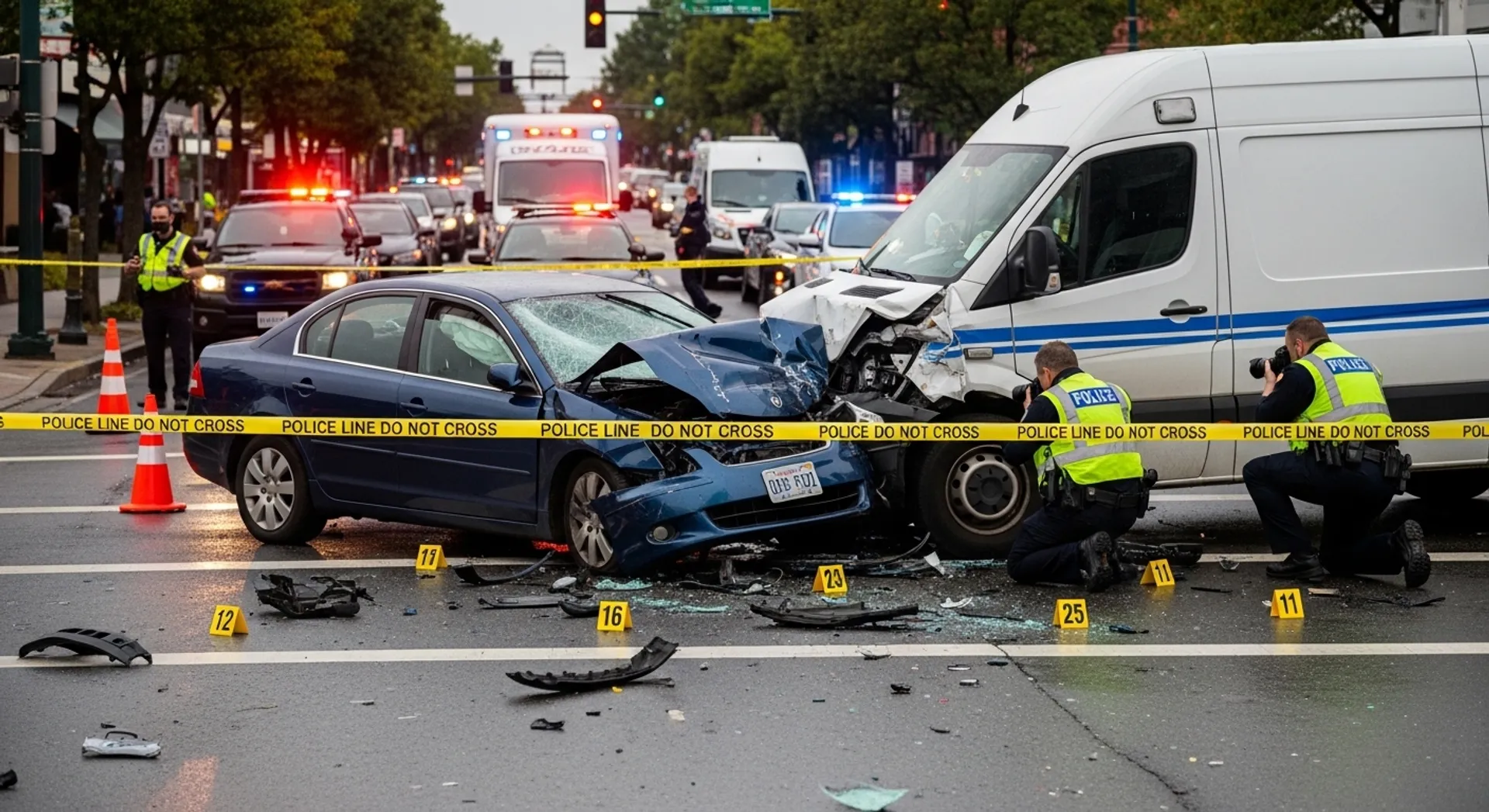
San Francisco is not a forgiving place for inattentive drivers. Traffic conditions change quickly. A driver may need to watch for a turning rideshare vehicle, a cyclist in a narrow lane, a delivery van blocking sightlines, and a pedestrian stepping into a crosswalk at the same time. When a driver adds a phone or touchscreen to that environment, the margin for error disappears.
How Modern Driver Distraction Happens
Many people still picture distraction as a driver typing a text message. That still happens, but it is only one part of the problem. Today’s vehicles include more digital features than ever. A driver may tap through music menus, answer messages through a car interface, zoom a map, check a call notification, or adjust climate settings on a screen instead of using physical controls. Each action may look minor, but together they create dangerous lapses in attention.
Phones are not the only problem anymore
Phones remain a major source of distraction, but built-in car systems now create similar risks. A driver may believe a dashboard screen is safer because it is part of the vehicle. That assumption is wrong. If the driver must look down, tap options, or think about a device instead of traffic, the danger is real. Eyes-off-road time is still eyes-off-road time.
San Francisco traffic punishes small mistakes
Small mistakes become serious crashes in San Francisco because streets are crowded and reaction time is limited. A driver who glances at a screen may not see traffic stop ahead. They may drift into another lane, miss a pedestrian signal, or turn across oncoming traffic. That is why distraction often leads to rear-end crashes, intersection collisions, side-swipes, and pedestrian impacts.
These risks are especially serious in high-conflict areas such as downtown corridors, school zones, tourist zones, and streets with frequent delivery activity. Even when citywide fatality numbers improve, severe crashes still happen because distracted drivers keep making the same basic mistake: they divide their attention in places that demand full focus.
Why Touchscreen Distraction Can Be Hard to Spot
Touchscreen-related crashes can be harder to prove than obvious phone use. After a collision, a driver may deny using a device. They may say they just looked away for a moment. They may claim traffic stopped suddenly or the other driver caused the problem. That makes evidence critical.
Unlike a handheld phone, a built-in screen may not leave a simple trail unless the vehicle stores data or video exists. Witnesses can help, but their view may be limited. This is one reason crash victims should act quickly after a collision. The sooner evidence is preserved, the better the chance of showing what really happened.
Your readers may already be familiar with some of these proof issues from your related post on How to Prove Fault in a San Francisco Car Accident. Witness testimony can also become important, which makes this a natural fit with The Role of Witnesses in San Francisco Auto Accident Cases.
What Injured Drivers Should Know About Fault and Compensation
Distracted driving car accidents in San Francisco usually come down to negligence. Drivers have a duty to operate their vehicles with reasonable care. When they focus on a phone, a touchscreen, or another distraction instead of the road, they may breach that duty. If that breach causes a crash, the injured person may have a valid claim for compensation.
What Evidence Can Strengthen a Distracted Driving Claim
The strongest claims are built on details. Photos, video, witness statements, police reports, and medical records can all help show what happened and how badly the victim was hurt. In distracted-driving cases, digital evidence may also matter.
Scene evidence and digital proof matter
Photos of vehicle damage, skid marks, lane positions, debris, traffic signals, and roadway conditions can support the crash story. If nearby businesses, homes, or public cameras captured the collision, that footage may show whether the driver was looking down or failed to react in time. In some cases, phone records or vehicle data may also help reveal what the driver was doing before impact.
Police observations can also help. An officer may note driver statements, inconsistent explanations, or signs of inattentive driving. Sometimes the best evidence comes from a combination of small details rather than one dramatic piece of proof.
Medical records connect the crash to the losses
Medical treatment does more than protect your health. It also creates a record of the harm the crash caused. That includes emergency care, follow-up visits, imaging, prescriptions, therapy, missed work, and future treatment needs. Insurance companies often try to minimize injuries when people wait too long to seek care or leave gaps in treatment.
That makes your existing post on The Importance of Medical Treatment After a Car Accident Even If You Feel Fine a strong internal link for this topic.
How Insurance Companies May Try to Shift Blame

Even when distraction seems obvious, insurers often resist paying full value. They may argue that the injured driver stopped suddenly, changed lanes without warning, or shared fault in some other way. California comparative negligence rules can affect compensation, so these arguments matter.
That does not mean the claim is weak. It means the case must be documented properly. A distracted driver can still be primarily responsible even if the insurer tries to spread blame around. This is where early legal strategy can help. Your readers may benefit from related internal links to What Is Comparative Negligence and How Does It Affect Your San Francisco Car Accident Case? and Navigating Insurance Claims After an Auto Accident in San Francisco.
Another common insurance tactic is undervaluing treatment, pain, and future losses. That makes this topic a natural bridge to your recent post on How Insurance Companies Try to Undervalue Your Claim — and How to Fight Back.
For readers who want an official outside source, the National Highway Traffic Safety Administration provides current distracted driving facts and national safety guidance.
The legal takeaway is direct. Distracted driving is not limited to texting. Modern vehicle screens and digital controls create new ways for drivers to look away, think about something else, and cause preventable crashes. In San Francisco, where streets demand constant attention, that behavior can lead to serious injuries in seconds.
If you were injured in a distracted driving crash, do not assume the facts will speak for themselves. Preserve evidence, get medical care, document your losses, and take the claim seriously from the start. A strong case depends on showing not only that the crash happened, but also why it happened and how the driver’s distraction changed everything.